

Walk into any electronics store and you'll be staring at 50 TVs that all look identical on the showroom floor with the brightness cranked to maximum. Online? Even worse specs sheets filled with marketing buzzwords like "Quantum Matrix Precision Pro" that mean absolutely nothing.
We've done the hard work for you. After researching dozens of models, cross-referencing independent test data from sources like RTINGS.com, and tracking real-world performance reports from thousands of buyers, we've narrowed down the best smart TVs for the money in 2026 across every budget, from $250 to $1,000+.
Whether you want a budget Mini-LED for under $600, a mid-range QLED for your living room, or you're ready to step into OLED territory, this guide has your pick. Let's get into it.
Quick Picks - Best Smart TVs 2026
TCL QM6K - Best Overall | Best value Mini-LED under $600 | ~$550–$800 | Score: 9.2
LG C5 OLED - Best Premium Pick | Movies, gaming, all-rounder | ~$1,299–$1,599 | Score: 9.5
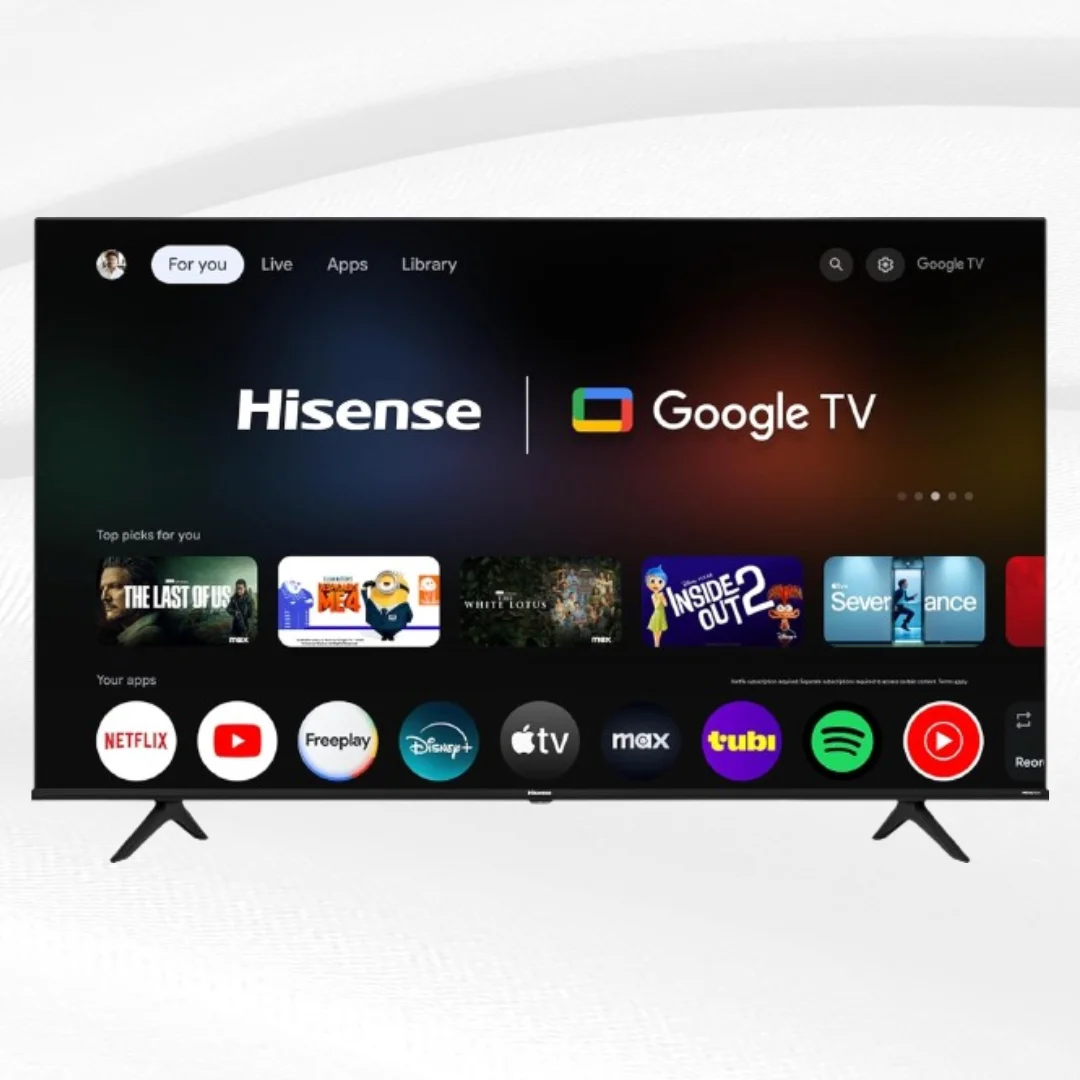
Hisense U65QF - Best Under $500 | Bright rooms, budget buyers | ~$399–$499 | Score: 8.7
Samsung S90F OLED - Best for Bright Rooms | Well-lit living rooms | ~$999–$1,299 | Score: 9.1
Hisense 55A7NF - Best Under $300 | Ultra-budget, bedrooms | ~$229–$279 | Score: 7.9
Our Top Smart TV Picks for 2026
TCL QM6K Series (Best Overall)
Best Smart TV for the Money in 2026 | Score: 9.2
Our Verdict: The TCL QM6K is the clear answer when someone asks "what's the best smart TV for the money right now?" Mini-LED technology, a 144Hz refresh rate, and Google TV all for under $600 on a 65-inch screen. It's almost unfair to the competition.
Key Specs: Resolution: 4K UHD | Panel: QD-Mini LED | Refresh Rate: 120Hz (up to 144Hz) | HDR: Dolby Vision, HDR10+, HLG | Smart OS: Google TV | HDMI: 2x HDMI 2.1, 2x HDMI 2.0 | Gaming: VRR, ALLM, FreeSync | Price (65"): ~$549–$650
The TCL QM6K earns its top spot by doing something rare in the TV world: it delivers features that were premium-only two years ago at a price that makes sense for most households. The QD-Mini LED panel uses TCL's Halo Control System to minimize the blooming and light bleed you'd expect from cheaper LCD sets. Black levels are genuinely deep, and color volume is impressive given the price.
For gamers, this TV is exceptional. Two HDMI 2.1 ports support 4K gaming at 120Hz for PS5 and Xbox Series X owners, and the refresh rate can push to 144Hz for PC gamers. Variable Refresh Rate (VRR) and Auto Low Latency Mode (ALLM) are both included ALLM even automatically switches the TV to Game Mode the moment it detects your console. These are features you'd expect on a $1,200 set.
Google TV is a genuinely good smart platform here fast, organized, and puts your content front and center. The remote is backlit and ergonomically pleasant, though some users wish the shortcut buttons were more customizable.
The weak points? Wide-angle viewing suffers, as colors can look washed out if you're sitting far off to the side. The built-in speakers are mediocre a soundbar would make a significant difference. And the HDR peak brightness, while solid, doesn't quite punch as hard as more expensive sets in very bright rooms. But for centered viewing in a normally lit room? Phenomenal.
Pros: Mini-LED at under $600 for a 65-inch; 144Hz refresh rate + full HDMI 2.1 gaming; Dolby Vision & HDR10+ support; fast, clean Google TV interface; deep black levels for the price; backlit remote included.
Cons: Wide-angle viewing is limited; built-in speakers are weak; HDR brightness could be better; some blooming in very dark scenes.
Who Should Buy This: The TCL QM6K is ideal for anyone who wants the best picture quality and gaming performance without spending over $700. It's a top-tier family TV, a solid upgrade from any entry-level set, and an excellent choice for PS5/Xbox Series X gamers who don't want to spend OLED money.
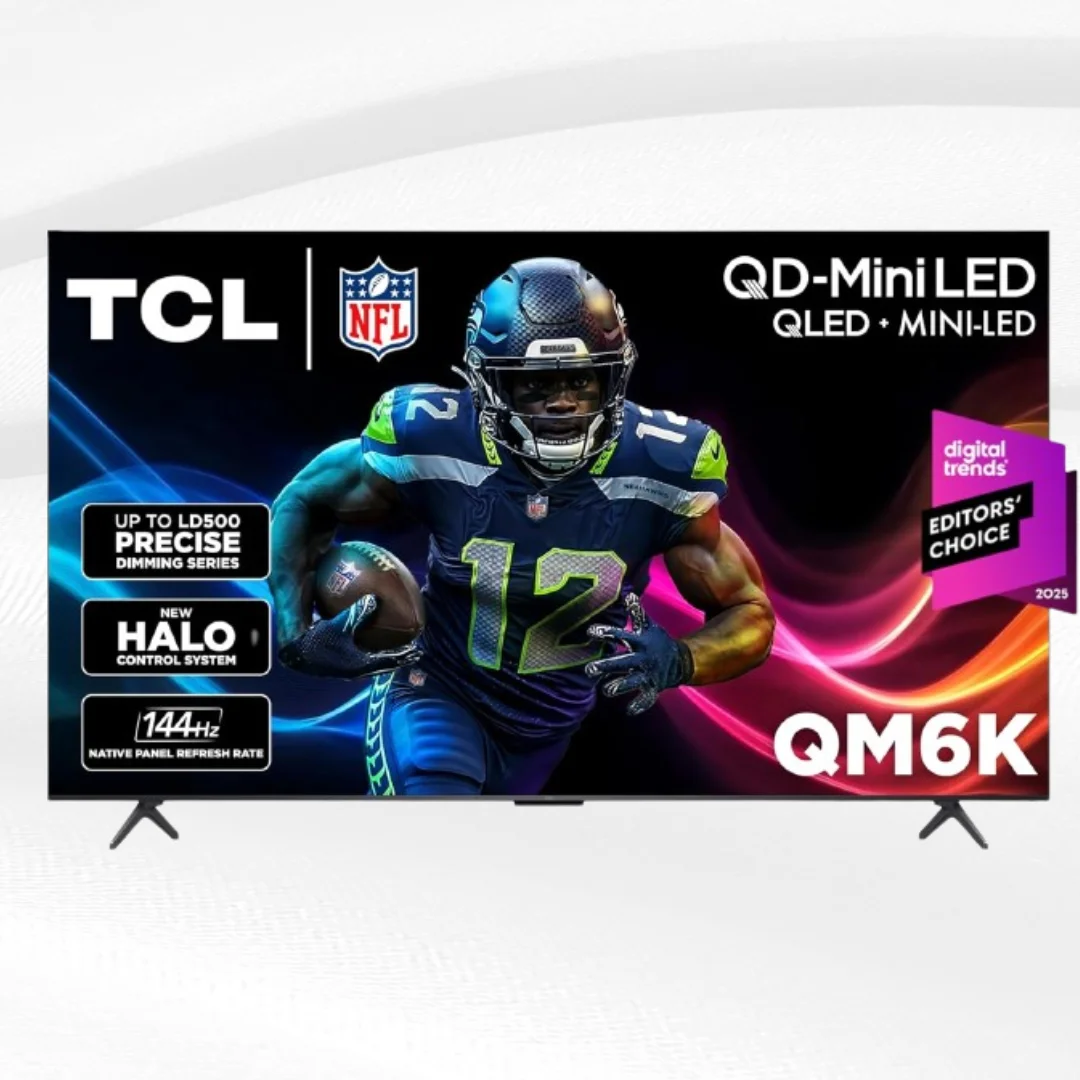 LG C5 OLED (Best Premium Pick)
Best Smart TV for Picture Quality Under $1,600 | Score: 9.5
Our Verdict: If your budget stretches past $1,000, the LG C5 OLED is where you stop looking. Multiple expert reviewers gave it a perfect 5-star rating in 2026. It's the TV that makes you forget you're watching a TV.
Key Specs: Resolution: 4K UHD | Panel: OLED (WOLED) | Refresh Rate: 120Hz (up to 144Hz) | HDR: Dolby Vision, HDR10, HLG | Smart OS: webOS 24 | HDMI: 4x HDMI 2.1 | Gaming: VRR, ALLM, G-Sync, FreeSync | Price (55"): ~$1,299–$1,499
The LG C5 OLED is the gold standard of mid-range TVs in 2026. Because each OLED pixel generates its own light and can switch off completely, black levels are perfect not "very good" or "excellent," but genuinely pixel-level black. Contrast ratios that LED TVs simply cannot match. Watch a space documentary or a dark thriller on this panel and you'll immediately understand why people make the switch.
For gaming, the C5 is outstanding. All four HDMI ports are HDMI 2.1, meaning all four can run 4K at 120Hz simultaneously. The TV is certified for NVIDIA G-Sync and AMD FreeSync Premium, and input lag drops to near-zero in Game Mode. LG's webOS platform is refined and easy to navigate, and the Magic Remote with voice control makes everything intuitive.
One thing to watch for: avoid watching static content (like news tickers or HUD elements in games) at maximum brightness for extended periods, as it can cause temporary image retention. Modern OLEDs have gotten much better about this, and LG includes pixel-refreshing tools, but it's worth knowing going in.
Pros: Perfect, pixel-level black levels; infinite contrast stunning HDR; all 4 HDMI ports are 2.1; near-zero input lag for gaming; wide viewing angles; polished webOS smart platform.
Cons: Expensive not for tight budgets; not the brightest in direct sunlight; image retention risk (manageable).
Who Should Buy This: The LG C5 is for movie lovers, serious gamers, and anyone who refuses to compromise on picture quality. If you're upgrading from a 5+ year old TV and want to be genuinely wowed, this is the TV to buy. Don't buy it if you primarily watch TV in a very bright room flooded with direct sunlight.
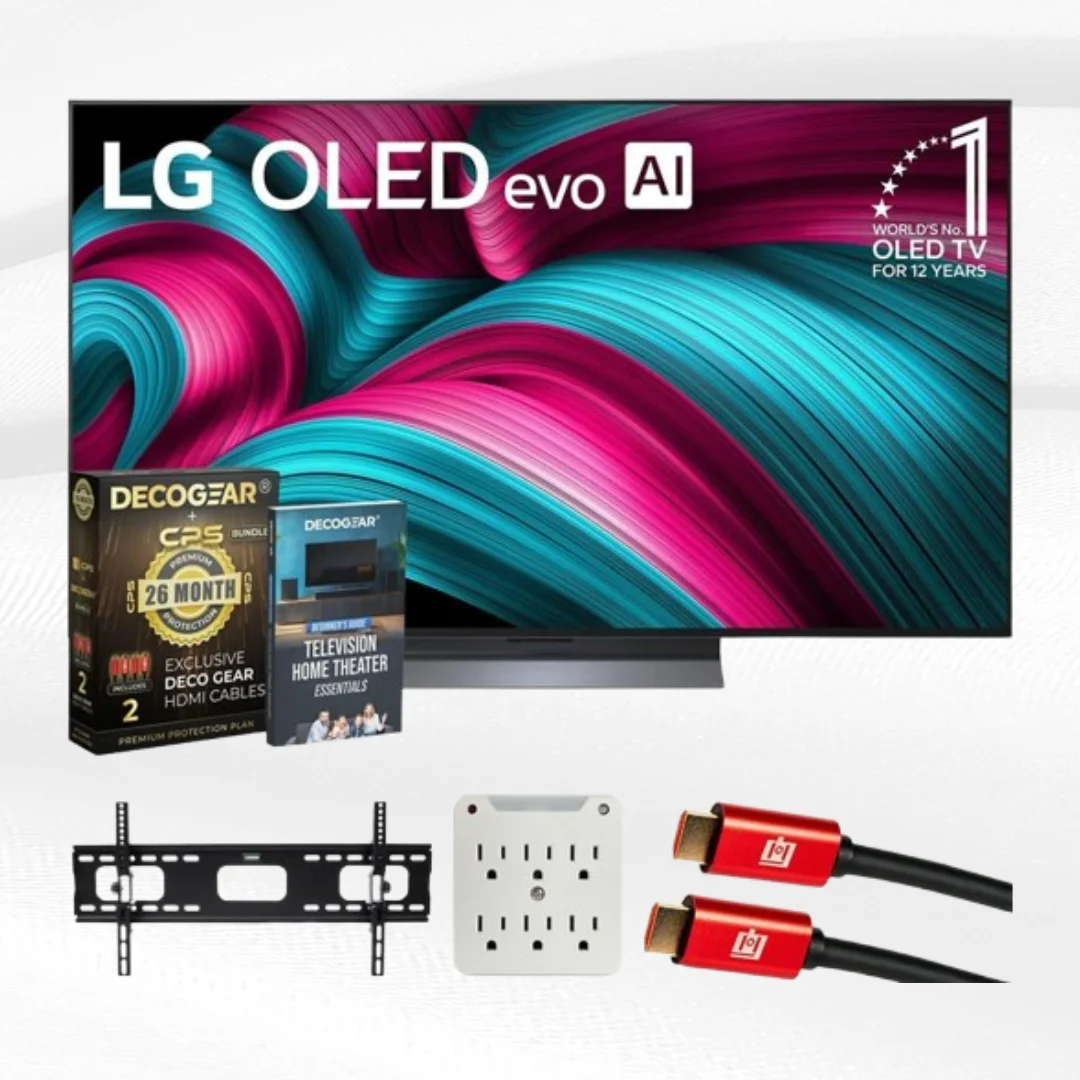 Hisense U65QF (Best Under $500)
Best Budget Smart TV for Bright Rooms | Score: 8.7
Our Verdict: Hisense has quietly built one of the best budget TV lineups in the world. The U65QF punches well above its price bracket with 1,000 nits of brightness, making it the best budget choice for living rooms that get a lot of natural light.
Key Specs: Resolution: 4K UHD | Panel: Mini-LED ULED | Refresh Rate: 60Hz (165Hz Game Mode) | HDR: Dolby Vision, HDR10+ | Smart OS: Google TV | Peak Brightness: ~1,000 nits | Gaming: VRR, ALLM, 165Hz Game Mode | Price (65"): ~$399–$499
The Hisense U65QF's standout feature is its exceptional brightness. At roughly 1,000 nits of peak output, it handles glare and ambient light far better than most TVs at this price. If your living room has large windows and you're watching TV in daylight, this is one of the few sub-$500 TVs that genuinely holds up.
Both Dolby Vision and HDR10+ are supported a rare combination at this price point. Colors are vivid and well-saturated, and the full-array local dimming does a respectable job of controlling backlight bleed. It also includes a built-in 2.1 subwoofer, making the audio better than most flat-panel TVs at this budget.
The key trade-off vs. the TCL 65R617 is gaming performance. The U65QF's native refresh rate is 60Hz (though it has a 165Hz "Game Mode Ultra"), and 4K gaming is capped at 60fps a real limitation for next-gen console and PC gamers. If gaming is your priority, the TCL 65R617 is the better pick. But for pure TV watching and movies on a budget, the Hisense U65QF is outstanding.
Pros: ~1,000 nits brightness great for bright rooms; both Dolby Vision AND HDR10+ support; built-in subwoofer for better audio; under $500 for a 65-inch; Google TV platform.
Cons: 4K gaming limited to 60Hz; not the best option for dedicated gamers; some motion blur in fast sports content.
Who Should Buy This: Perfect for anyone who primarily watches movies, sports, and streaming content in a bright living room and wants the best possible image for under $500. Not ideal for serious gamers who want 4K at 120Hz+.
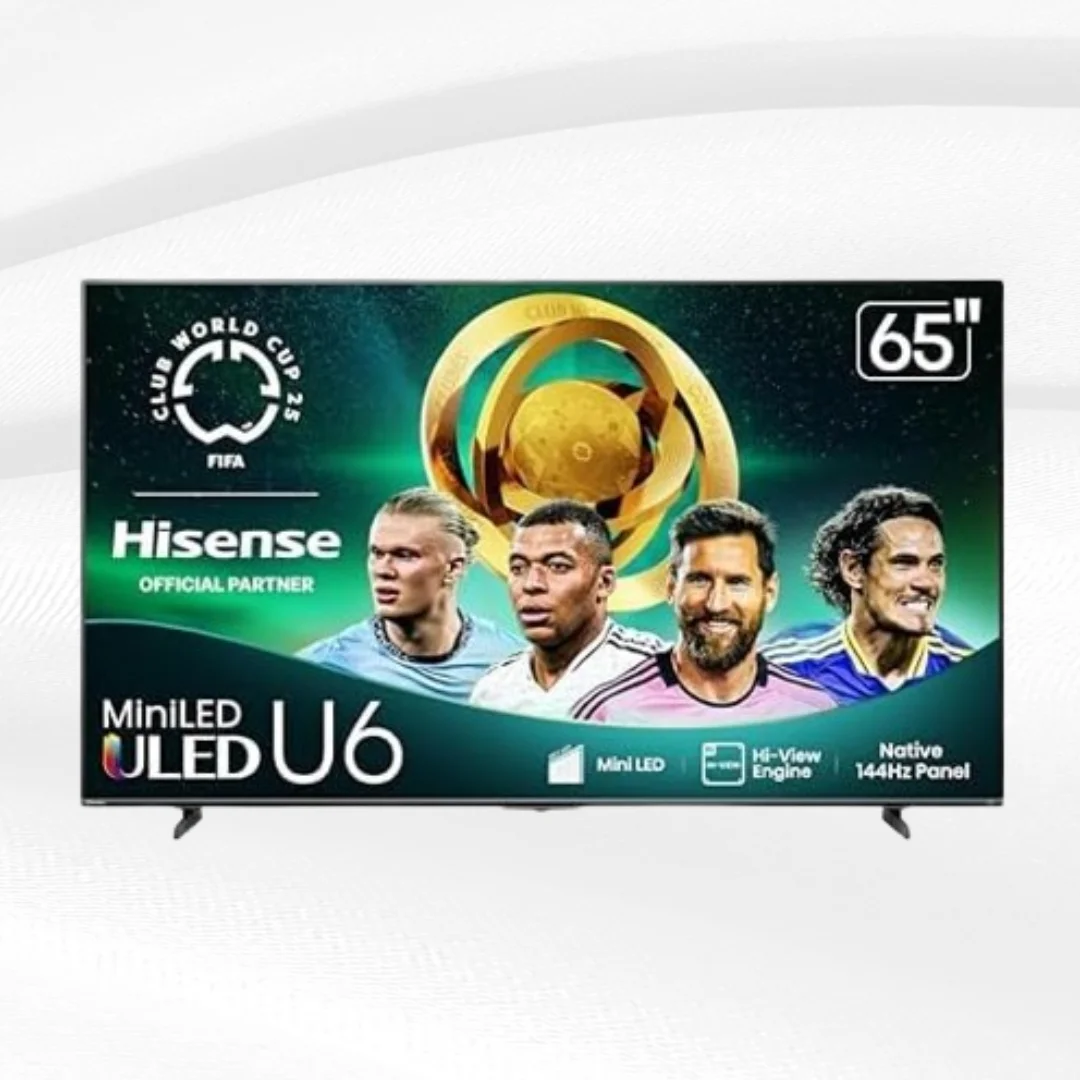 Samsung S90F OLED (Best for Bright Rooms)
The OLED That Wins in Daylight | Score: 9.1
Our Verdict: Samsung's QD-OLED technology solves the biggest complaint about traditional OLEDs brightness. The S90F delivers OLED contrast with LED-level brightness, making it the only OLED we'd confidently recommend for sun-drenched living rooms.
Key Specs: Resolution: 4K UHD | Panel: QD-OLED | Refresh Rate: 144Hz | HDR: HDR10+, HDR10, HLG | Smart OS: Tizen (Samsung) | Gaming: VRR, ALLM, FreeSync, G-Sync | Notable: Glare-Free matte screen (some models) | Price (65"): ~$999–$1,299
The Samsung S90F uses QD-OLED a hybrid technology that places a quantum dot layer on top of a self-emissive OLED panel. The result is significantly higher brightness than traditional WOLED panels (like LG's), while still retaining the perfect black levels and infinite contrast that make OLED special.
Samsung's Tizen OS is polished and responsive, and the Gaming Hub makes it easy to access Xbox Cloud Gaming or stream directly without a console. The 144Hz refresh rate and HDMI 2.1 support make this a very capable gaming TV as well.
One note: the S90F does not support Dolby Vision Samsung uses HDR10+ instead. If your streaming library is heavy on Dolby Vision content (most Disney+ and Apple TV+ titles), this is worth considering. HDR10+ is still excellent, but it's a real-world trade-off to know about.
Pros: Brighter than traditional OLEDs; stunning color volume and saturation; 144Hz with full gaming support; great for bright living rooms; polished Samsung Tizen OS.
Cons: No Dolby Vision support; pricier than the LG C5 at same size; Tizen OS less app-rich than Google TV.
Who Should Buy This: Best for buyers who want OLED picture quality but watch TV in a room with lots of ambient light. Also excellent for sports fans who love vibrant, punchy colors. If you're a Dolby Vision household, consider the LG C5 instead.
 Hisense 55A7NF (Best Under $300)
The Smartest Ultra-Budget TV You Can Buy | Score: 7.9
Our Verdict: Under $280 for a 55-inch 4K smart TV with Dolby Vision and Fire TV built in. The Hisense A7NF makes budget TV-buying surprisingly painless just don't expect miracles from the picture processing.
Key Specs: Resolution: 4K UHD | Panel: LED LCD (Edge-Lit) | Refresh Rate: 60Hz | HDR: Dolby Vision, HDR10 | Smart OS: Amazon Fire TV | Voice Control: Alexa Built-In | Gaming: Basic (no HDMI 2.1) | Price (55"): ~$229–$279
For anyone buying a TV for a bedroom, guest room, kitchen, or a first apartment on a tight budget, the Hisense A7NF is a genuinely excellent option. Dolby Vision support at this price is frankly surprising most sub-$300 TVs don't include it.
Amazon's Fire TV platform is fast, intuitive, and loaded with content. If you're a Prime Video household, it's particularly well-integrated. Alexa voice control is built in, which makes everyday use convenient. The 4K panel looks sharp for regular streaming content, and the Wide Color Gamut technology helps make colors look richer than you'd expect at this budget.
The limitations are real: no local dimming means blacks look grey in dark scenes, motion handling struggles with fast sports content, and there's no HDMI 2.1 for next-gen gaming. Think of this as a capable everyday TV, not a home theater investment.
Pros: Incredible value 55" 4K under $280; Dolby Vision at this price is rare; fast, clean Fire TV interface; Alexa voice control built-in; good for bedroom/secondary use.
Cons: No local dimming grey blacks; 60Hz only poor for fast motion/gaming; no HDMI 2.1; built-in speakers are thin.
Who Should Buy This: Best for bedrooms, guest rooms, kitchens, or anyone who needs a solid streaming TV under $300 with no gaming requirements. Don't buy this as your primary living room TV if you can stretch to the TCL QM6K.
 Smart TV Buying Guide 2026
Before you buy, here are the things that actually matter stripped of all the marketing language.
What Screen Size Do You Actually Need?
The golden rule: sit at a distance that's 1.5x to 2.5x the screen's diagonal measurement. For a 65-inch TV, that's roughly 8–13 feet. Most people underestimate how big a 65-inch TV looks in person. Measure your room before buying. For bedrooms under 12 feet, a 55-inch is usually the sweet spot.
Room size guide: small bedrooms (6–8 ft viewing distance) suit 40–50 inches; average bedrooms (8–10 ft) suit 50–55 inches; average living rooms (10–12 ft) suit 55–65 inches; large living rooms (12–15 ft) suit 65–75 inches; home theaters or open-plan spaces (15+ ft) suit 75–85 inches or more.
OLED vs QLED vs Mini-LED Which Technology is Right for You?
OLED delivers perfect black levels and moderate brightness, at a premium price best for dark rooms, movies, and gaming. QD-OLED adds significantly higher brightness while keeping OLED's perfect blacks, at the highest price best for bright rooms requiring cinematic quality. Mini-LED offers great black levels and very high brightness at mid-range pricing the best all-round value. Standard QLED provides good blacks and high brightness at a budget-friendly price solid for budget buyers and bright rooms. Basic LED LCD is the most affordable option with fair black levels and moderate brightness, suited to bedrooms, guest rooms, and tight budgets.
Refresh Rate
For most people, 60Hz is fine. For sports fans and gamers, 120Hz makes a noticeable difference. Motion in football, basketball, and action films looks dramatically smoother at 120Hz. For gaming specifically, 120Hz + HDMI 2.1 unlocks full next-gen performance on PS5 and Xbox Series X.
Be warned: many budget TVs advertise "Motion Rate 240" or "TruMotion 120" these are marketing numbers, not the actual panel refresh rate. Always look for the native refresh rate.
Which Smart TV OS is Best in 2026?
Google TV (TCL, Hisense, Sony) leads for app availability and personalized recommendations, though it can show some bloatware ads. LG's webOS is the most elegant and polished experience with a great remote, but has fewer apps. Samsung's Tizen is smooth and has an excellent Gaming Hub, though it carries fewer niche apps. Amazon Fire TV is ideal for Prime Video households with strong Alexa integration, but heavily promotes Amazon content. Roku TV offers simplicity and universal search but has limited gaming features.
Frequently Asked Questions
What is the best smart TV for the money in 2026?
The TCL QM6K is our pick. It combines Mini-LED technology, a 144Hz refresh rate, Dolby Vision support, HDMI 2.1 gaming ports, and Google TV all for around $550–$650 on a 65-inch screen. For buyers with a larger budget, the LG C5 OLED ($1,299+) delivers unmatched picture quality.
Is TCL better than Hisense?
It depends on what you prioritize. The TCL QM6K edges out Hisense's U6N for gaming thanks to a higher native refresh rate and better HDMI 2.1 implementation. However, Hisense's U65QF is brighter and better for well-lit rooms. Both brands offer exceptional value compared to Samsung and LG at similar price points. In 2026, either brand is a smart choice for budget and mid-range buyers.
How much should I spend on a smart TV?
For a primary living room TV, we recommend a minimum budget of $400–$600 to get a TV with decent local dimming, HDR support, and a 120Hz+ refresh rate. Under $300, you'll notice real limitations in dark-scene performance and motion handling. If you can stretch to $800–$1,000, you unlock the lower end of the Mini-LED and entry-level OLED market, where picture quality makes a significant leap.
Which smart TV OS is best?
Google TV leads for app availability and personalization. LG's webOS is the most polished and elegant. Samsung's Tizen is fast and has a great gaming hub. For simplicity, Roku TV is hard to beat. Your choice should align with your existing ecosystem (Apple, Amazon, Google) and which apps you use most.
Is OLED worth the extra money over Mini-LED?
For most people, Mini-LED at half the price delivers 80–90% of the OLED experience. OLED's advantage is absolute black levels and perfect per-pixel control which makes a visible difference in dark-room viewing for movies and gaming. If you watch TV primarily in a bright room or are on a budget, a quality Mini-LED TV like the TCL QM6K is the smarter buy. If picture quality is your top priority and budget isn't a constraint, OLED is worth every penny.
Does refresh rate matter for smart TVs?
Yes especially for gaming and sports. A native 120Hz panel makes fast motion look dramatically smoother compared to 60Hz. For next-gen console gaming (PS5, Xbox Series X), you need a TV with both 120Hz and HDMI 2.1 to unlock 4K/120fps. Always check for the native refresh rate, not the "motion enhancement" marketing number.
Our Final Verdict
The smart TV market in 2026 is genuinely exciting you can get a Mini-LED TV with gaming-grade features for under $600, and OLEDs are now more accessible than ever. The key is matching the right TV to your room, your viewing habits, and your budget.
For most people, the TCL QM6K is the answer it's the best combination of price and performance you'll find anywhere on the market right now. For those ready to invest in the best picture quality available under $1,600, the LG C5 OLED is a TV you'll love for years.
We'll continue updating this guide as new 2026 models are tested and released. Bookmark this page and check back we update every month.