

So a friend of mine rides every single day to work.
He spent three months complaining that his earbuds kept falling out inside his helmet and the wind noise was drowning everything out. He just wanted to listen to music and get GPS directions without pulling over every five minutes.
That conversation made me go deep into helmet speakers.
And the more I researched it the more I realized most people are either buying the wrong thing or have no idea how different the options actually are.
So let me break down everything I found.
What Are Helmet Speakers
Helmet speakers are audio systems designed specifically to fit inside your helmet.
They sit inside the ear pockets of your helmet and connect to your phone either through Bluetooth or a 3.5mm cable.
The whole point is that you can listen to music, take calls, get GPS directions, or even communicate with other riders without ever taking off your helmet.
They are not regular headphones. They are built flat and thin so they fit inside the helmet without creating pressure on your ears during a long ride.
 Why Regular Earbuds Do Not Work
I get asked this a lot.
Most people try earbuds first because they already have them. The problem is that earbuds stick out from your ear and when you put the helmet on they get pushed and cause real discomfort after about twenty minutes.
On top of that, regular earbuds are not tuned to cut through wind and engine noise.
A helmet speaker sits flush against the ear pocket and is designed to project sound in an enclosed space. That is a completely different engineering challenge than making earbuds for a gym.
The difference in comfort alone, especially on rides over an hour, is night and day.
The Two Main Types You Need to Know
Before buying anything there is one decision you need to make first.
Do you want a standalone speaker set or a full Bluetooth communication system?
Standalone speakers like the IASUS XSound series just plug into a 3.5mm jack or a separate Bluetooth receiver. They are cheaper and focused entirely on audio quality. If all you want is music and GPS and you are riding solo, this is the cleaner option.
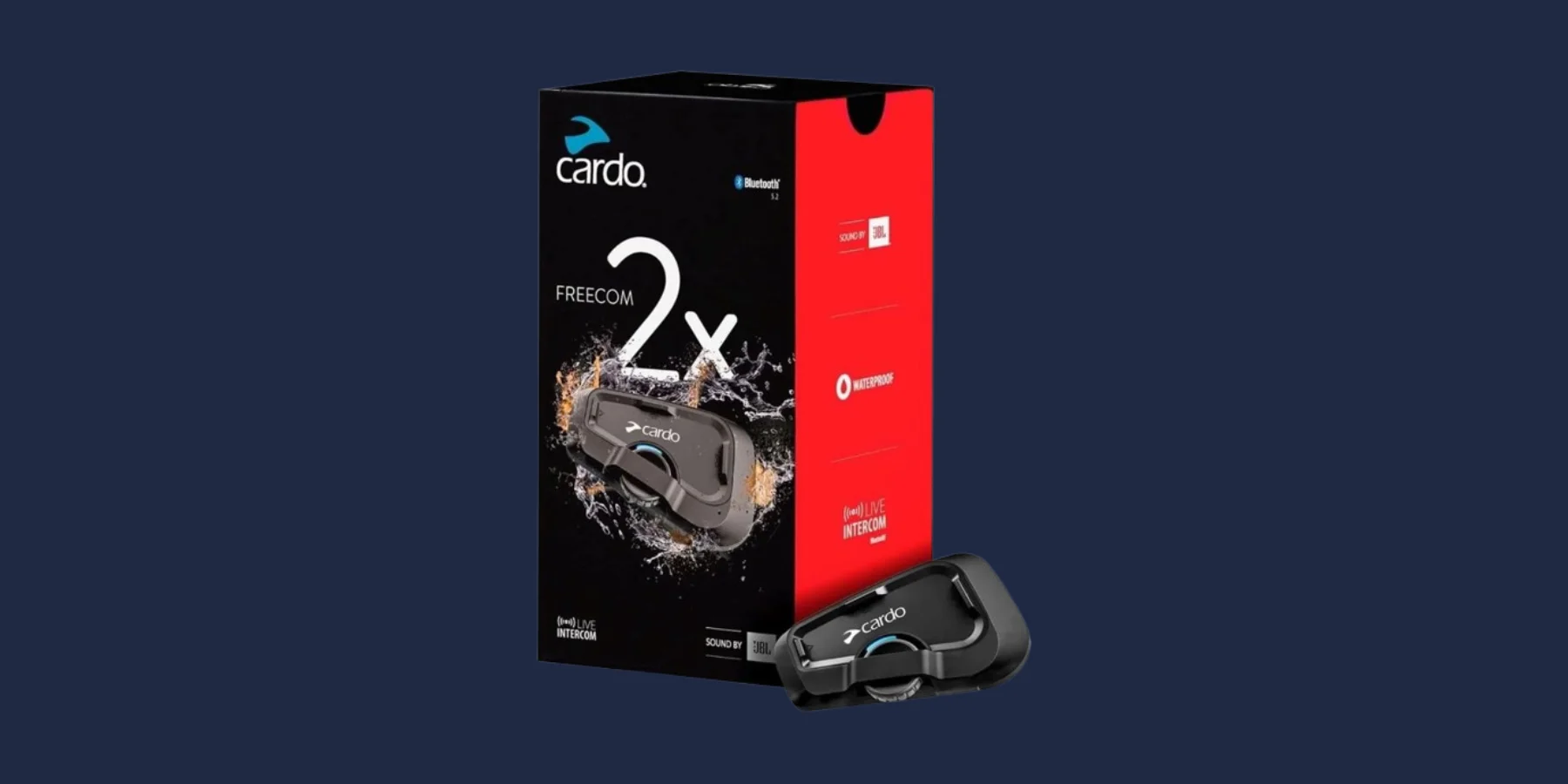
A full communication system like the Cardo Packtalk Pro or Sena 50S includes speakers, Bluetooth, intercom for talking to other riders, voice commands, and crash detection all in one unit. They cost significantly more but do a lot more.
Knowing which one fits your riding style saves you from spending money on features you will never use.
What to Actually Look For
Speaker size matters more than most people think.
The standard size in budget kits is 32mm. They are fine for slow casual riding. The moment you hit highway speeds the wind noise overpowers them completely.
The sweet spot is 40mm to 45mm speakers. Cardo's JBL 45mm kit is probably the most talked about option right now and for good reason. The jump in clarity and volume between 32mm and 45mm is significant.
If you want the loudest option on the market right now, IASUS XSound 4 uses Acoustic Flex technology with a CNC aluminum housing that puts out a maximum of 124 dB. That is genuinely loud but use it carefully because that volume level at close range for long periods is not something you want to ignore.
Bluetooth vs Wired
Most people go Bluetooth because it is cleaner with no cable running around the inside of the helmet.
Bluetooth 5.0 and above gives you stable pairing, longer range, and less battery drain compared to older versions. Look for that before buying any wireless kit.
The downside of Bluetooth is latency and battery management. You have one more thing that needs charging.
Wired speakers with a 3.5mm connection do not have latency, never run out of battery, and in many cases sound better for the price. If you already have a good Bluetooth communication unit like a Cardo or Sena system, you can plug wired speakers into it and get the best of both worlds.
Also Read: HD Hub 4 U: Is It Actually Worth Using?
Battery Life
For city commuters doing 30 to 45 minute rides, almost any kit works fine.
For weekend touring riders doing 5 to 8 hour days, battery life becomes a real factor.
The better systems now push 13 to 20 hours of continuous playback. Cardo Packtalk Pro sits at 14 hours. Jzaq's system claims 20 hours. FEYA helmet speakers get strong marks for battery longevity as well.
Fast charging through USB-C is worth prioritizing if you are doing multi-day trips. A 20 minute charge getting you back to a few hours of use is genuinely useful on the road.
Installation
Most people assume helmet speaker installation is complicated. It is not.
Almost all systems use velcro pads to attach to the ear pockets inside your helmet. You clean the pocket, stick the velcro down, press the speaker in, and route the cable along the helmet padding.
The whole thing takes under ten minutes for most helmets.
The one thing to check before buying is whether your helmet has enough depth in the ear pockets. Thicker speakers can create pressure points in tighter helmets. If you have a racing-style helmet with narrow ear channels you want the thinnest profile you can find.
Brands like IASUS include an ear positioning tool in the box so you can check placement before committing to the install. That is a small detail but it makes a real difference to how the audio lands.
Waterproofing
Riding means weather. Always.
Look for at minimum an IPX5 rating which handles rain and splashing. IPX7 means full submersion protection which is more than you will ever need but shows the build quality is solid.
Syphon Sound's SoundPro carries an IP55 rating. Most Cardo systems are IP67.
If you are riding in wet climates or off-road, waterproofing is not optional.
Quick Comparison: Top Helmet Speakers at a Glance
Brand & Model | Best Used For | Speaker Size | Water Resistance | Key Highlight |
|---|---|---|---|---|
IASUS XSound 4 | Pure Audio Quality | 40mm–45mm | Highly Resistant | 124 dB max output, CNC aluminum |
Cardo Packtalk Pro | All-Round Comm System | 45mm (JBL) | IP67 Waterproof | Built-in intercom & crash detection |
Cardo Spirit + Upgrade | Budget-Conscious Riders | 45mm (JBL) | Weatherproof | Premium sound without high cost |
FEYA Wireless | Ski & Snowboard Helmets | Standard Drop-in | Weather Resistant | Glove-friendly physical controls |
Syphon SoundPro | Off-Road & Dirt Bikes | Ultra-Slim Profile | IP55 Rated | Fits tight racing helmet channels |
The Best Options Right Now in 2026
For pure audio quality: IASUS XSound 4. Best sound engineering in any helmet speaker category right now.
For best all-round communication system: Cardo Packtalk Pro with the JBL 45mm speakers included. Does everything and the audio holds up at highway speeds.
For riders on a budget: Cardo Spirit paired with the 45mm speaker upgrade. You get the JBL tuning without paying for the full Packtalk feature set.
For ski and snowboard helmets: FEYA wireless helmet speakers. Glove-friendly controls, long battery life, and a drop-in design that works with most audio-ready snow helmets.
For off-road and adventure riding: Syphon SoundPro. Slim, IP55 rated, fits every helmet type including dirt bike and MTB helmets.
Are Helmet Speakers Safe
This is the question I knew was coming so let me address it.
The concern is that listening to audio while riding reduces awareness. It is a fair concern.
The answer depends entirely on volume. Keeping the volume at a level where you can still hear traffic, horns, and emergency vehicles around you is the only rule that matters.
At reasonable volumes, studies and rider community consensus both point to GPS audio and music actually helping long-distance riders stay alert rather than zoning out in silence.
The problem is people who run volume at maximum. At that level on any speaker you are cutting yourself off from the environment and that is a different conversation.
My Take
I went back to my friend with all of this and he ended up going with the Cardo Spirit plus the 45mm speaker upgrade.
He has been using it for three months now. The complaints stopped completely.
What I keep thinking about is how many people are still using earbuds jammed under their helmets every single day when this technology has gotten genuinely good and genuinely affordable.
You do not need to spend $300 on a full communication system to get good audio in your helmet. You need to spend the right amount on the right thing for the way you actually ride.
That difference is what I hope this article makes clear.
FAQs
Are helmet speakers worth it?
Yes, especially if you ride more than 30 minutes at a time. The comfort and audio quality over earbuds is significant.
Can I use helmet speakers with any helmet?
Most systems fit any helmet with ear pockets. Check depth and pocket size before buying.
What size speakers are best for highway riding?
40mm to 45mm speakers are the minimum for cutting through wind and engine noise at speed.
Do helmet speakers work in the rain?
Most quality systems carry IPX5 or higher ratings and handle rain without any issue.
What is the difference between Cardo and Sena?
Both are premium communication systems. Cardo uses mesh technology with JBL audio. Sena has a larger user base and slightly more affordable entry points.
Can helmet speakers damage hearing?
At high volumes over long periods, yes. Keep volume at a level where you can still hear surrounding traffic.