

Choosing between the Oura Ring 3 vs 4 can be challenging when both devices offer excellent health tracking features. This detailed oura ring 3 vs 4 comparison will help you understand the key differences and decide which smart ring best fits your needs and budget.
The Oura Ring has become the gold standard for smart rings, offering comprehensive health monitoring in a sleek, wearable design. With the launch of the Oura Ring 4 in October 2024, many users wonder about the oura ring 3 vs 4 differences and whether the upgrade is worth it or if the Ring 3 still provides excellent value.
About Oura Ring 3
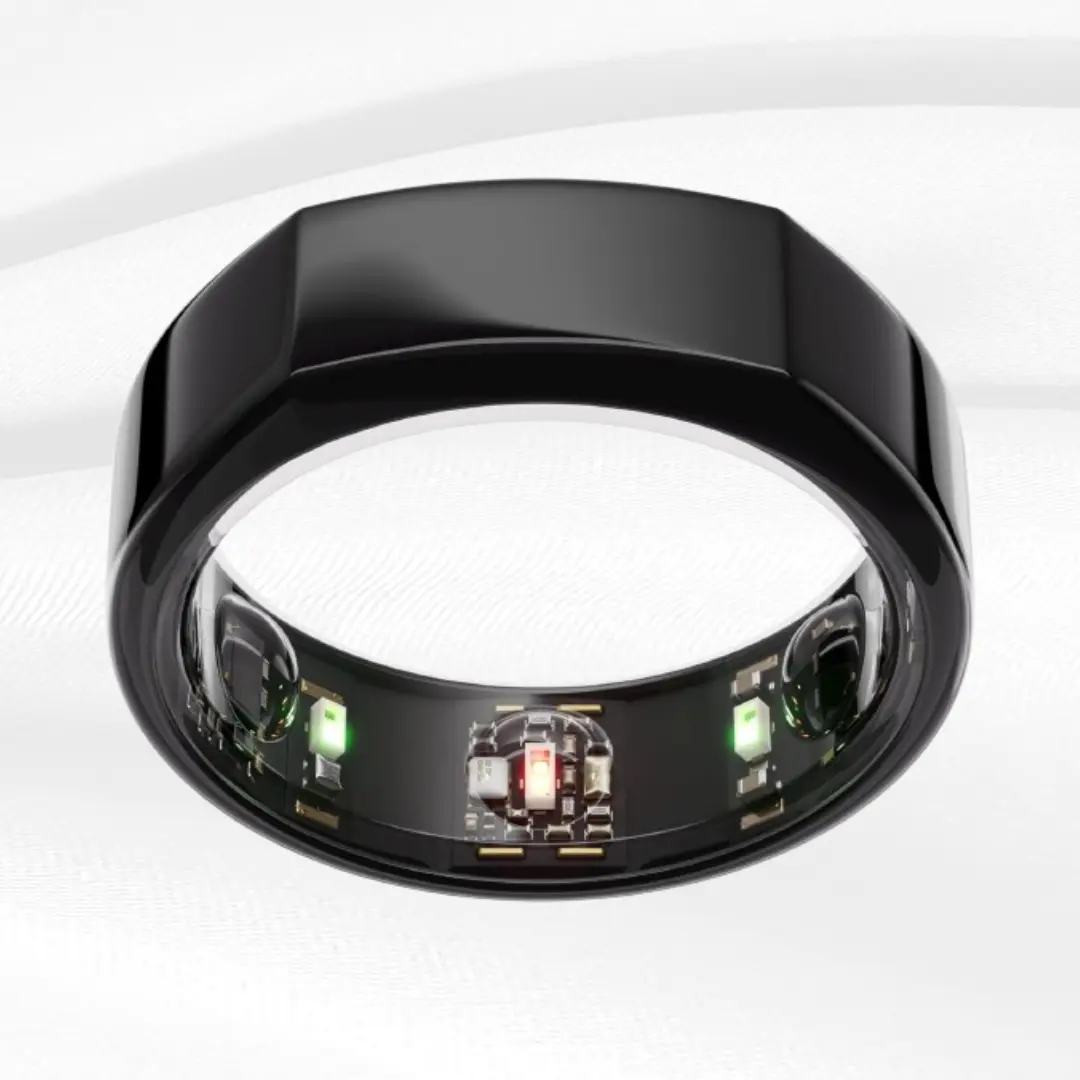
The Oura Ring 3, launched in 2021, revolutionized the smart ring market with its comprehensive health tracking capabilities. This third-generation device features a titanium exterior with an epoxy inner surface, housing advanced sensors that monitor sleep patterns, heart rate, body temperature, and activity levels around the clock. The Ring 3 offers sizes 6-13 and comes in multiple color options including Black, Silver, Stealth, and Gold. With a typical battery life of 4-7 days, the Ring 3 provides detailed health insights through the Oura mobile app, making it an excellent choice for users seeking reliable health monitoring without the bulk of traditional fitness trackers.
About Oura Ring 4
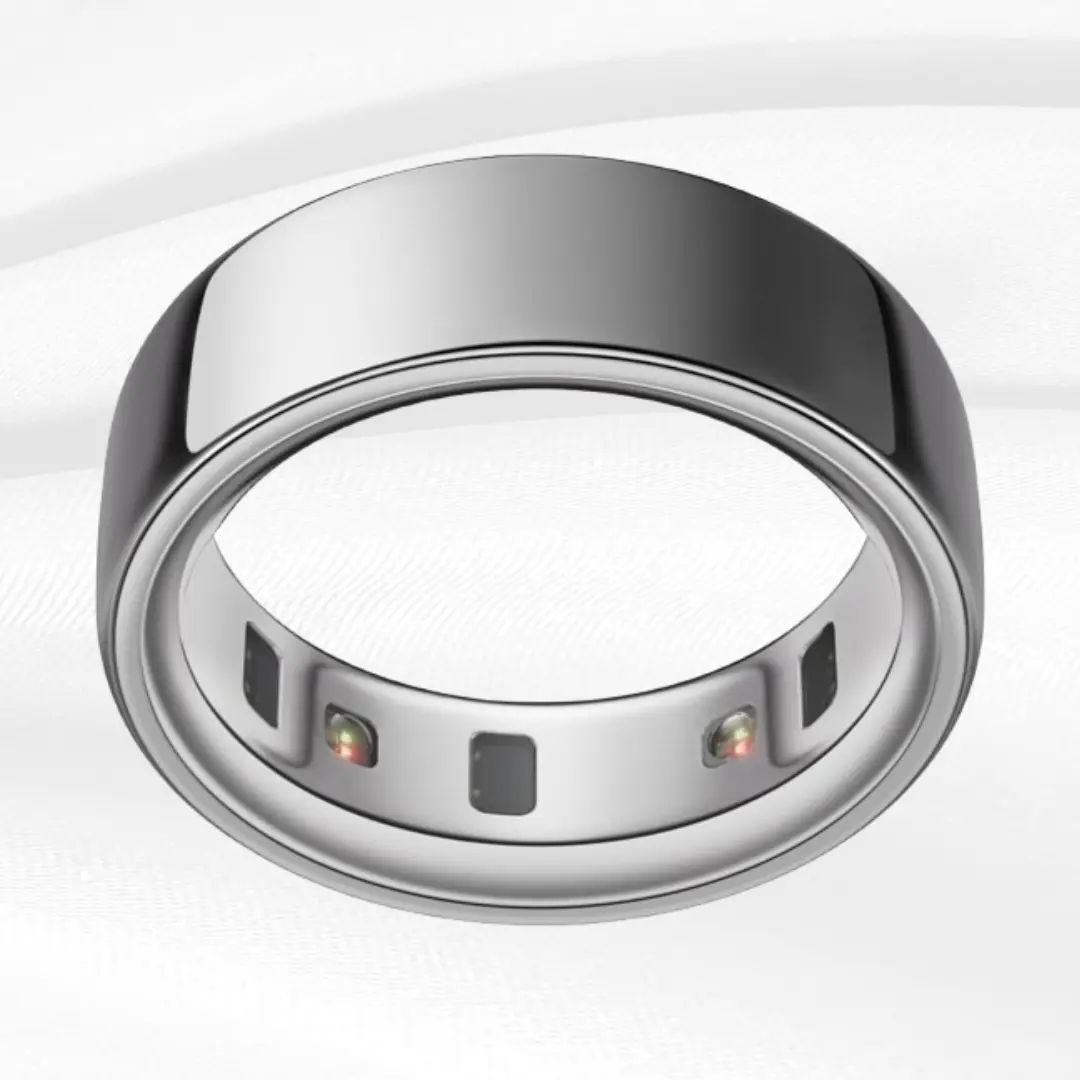
The Oura Ring 4, released in October 2024, represents the latest advancement in smart ring technology. Built with a fully titanium construction and featuring recessed sensors for improved comfort, this fourth-generation device introduces Smart Sensing technology with up to 18 sensing paths for enhanced accuracy. The Ring 4 expands size options to 4-15, accommodating a wider range of users while delivering up to 8 days of battery life. Enhanced with Automatic Activity Detection for over 40 activities and improved blood oxygen monitoring, the Ring 4 offers the most advanced health tracking experience available in the Oura lineup, making it ideal for users who want the latest technology and premium comfort.
Oura Ring 3 vs 4: What's the Difference?
When analyzing oura ring 3 vs 4 specifications, the main differences between these two generations focus on design, sensor technology, and overall performance improvements. While both rings share similar core features, understanding the oura ring 3 vs 4 distinctions helps identify which device offers better value for your specific needs.
Design and Build Quality
In the oura ring 3 vs 4 design comparison, the Ring 4 features a completely redesigned structure with several notable improvements. The new ring uses a fully titanium construction, unlike the Ring 3 which combines titanium with an epoxy inner surface. This all-titanium design provides better durability and a more premium feel.
The oura ring 3 vs 4 comfort comparison reveals that the Ring 4 includes recessed sensors that create a smoother interior surface. This design change makes the ring more comfortable for 24/7 wear, reducing the likelihood of skin irritation that some Ring 3 users experienced.
Another design improvement is the thinner profile of the Ring 4. While both rings maintain their circular shape, the Ring 4 feels less bulky on the finger. The weight ranges from 3.3g to 5.2g depending on the size, similar to the Ring 3 but with better weight distribution.
The Ring 4 comes in six color options: Black, Silver, Stealth, Brushed Silver, Gold, and Rose Gold. The Ring 3 offers similar colors but with slightly different finishes. The Ring 4's colors appear more refined and consistent across the entire surface.
Size Options and Fit
When examining oura ring 3 vs 4 sizing options, the Ring 4 offers a significant improvement with an expanded size range. While the Ring 3 offers sizes 6-13, the Ring 4 provides sizes 4-15. This expanded range in the oura ring 3 vs 4 comparison accommodates more users, particularly those with smaller or larger fingers who previously couldn't find a proper fit.
The Ring 4 also includes white sizing rings in the kit, compared to the black ones provided with the Ring 3. This color change makes it easier to see the ring against different skin tones during the sizing process.
Sensor Technology and Accuracy
The most significant upgrade in the oura ring 3 vs 4 technology comparison lies in sensor capabilities. The new Smart Sensing platform includes up to 18 different sensing paths compared to just 8 in the Ring 3. This improvement in the oura ring 3 vs 4 accuracy comparison means the ring can automatically select the most reliable path for data collection at any given moment.
The enhanced sensor array results in 30% better blood oxygen monitoring accuracy compared to the Ring 3. Users report fewer gaps in heart rate data throughout the day and night, leading to more consistent and reliable health metrics.
The Ring 4's sensors also provide better performance during physical activity. Heart rate monitoring during workouts shows improved accuracy, and the ring handles movement and sweat better than its predecessor.
Battery Life and Charging
Looking at oura ring 3 vs 4 battery performance, both rings offer impressive battery life, but the Ring 4 extends this even further. While the Ring 3 typically lasts 4-7 days depending on usage, the Ring 4 consistently delivers up to 8 days of battery life.
The oura ring 3 vs 4 charging experience has also improved with the newer model. The Ring 4 comes with a redesigned charging base made from metal instead of plastic. The new charging dock has a squared-off design and silver finish that looks more premium and makes it easier to see when the ring is properly aligned.
Charging speed remains similar between both models, with a full charge typically taking 60-90 minutes. However, users report that the Ring 4's charging connection feels more secure and consistent.
Key Features Comparison
Sleep Tracking Capabilities
Both rings excel at sleep tracking in the oura ring 3 vs 4 sleep monitoring comparison, but the Ring 4 offers slight improvements in accuracy and detail. The enhanced sensors provide more precise sleep stage detection and better movement tracking during the night.
The Ring 4 introduces improved sleep apnea detection capabilities, building on the foundation established by the Ring 3. While both rings can identify potential breathing irregularities, the Ring 4's enhanced sensors provide more detailed data for healthcare providers.
Sleep quality scores remain consistent between both models, as they use the same algorithms and scoring system. However, users report that the Ring 4 provides more consistent data collection, reducing instances of incomplete sleep tracking.
Activity and Heart Rate Monitoring
The Ring 4 significantly improves activity tracking with its Automatic Activity Detection (AAD) system. This feature now includes average heart rate and heart rate zones for over 40 different activities. The Ring 3 offers basic activity detection but with less detail and fewer supported activities.
Heart rate monitoring sees notable improvements in the Ring 4. The enhanced sensor array provides more consistent readings throughout the day, particularly during exercise. Users report fewer gaps in heart rate data and better accuracy during high-intensity activities.
Both rings offer 24/7 heart rate monitoring, but the Ring 4's Smart Sensing technology adapts to different conditions more effectively. This means better performance when your hands are cold, during exercise, or in other challenging conditions.
Temperature and Recovery Tracking
Temperature monitoring capabilities remain similar between both models, with both rings providing accurate skin temperature readings throughout the day and night. The Ring 4's improved sensors may offer slightly better precision, but the difference is minimal for most users.
Recovery tracking, including Heart Rate Variability (HRV) measurements, shows improvements in the Ring 4. The enhanced sensors provide more stable HRV readings, which translate to more accurate recovery and readiness scores.
Women's Health Features
Both rings offer comprehensive period and cycle tracking, but the Ring 4 introduces new features specifically for women trying to conceive. The Cycle Insights feature now includes Fertile Window prediction, providing more detailed information about optimal timing for conception.
Temperature-based cycle tracking remains consistent between both models, as this feature relies more on algorithms than sensor hardware. However, the Ring 4's improved temperature sensors may provide slightly more precise readings.
App Experience and Data Analysis
The Oura app experience remains largely identical between both ring models. Both devices use the same smartphone application with identical interfaces and features. This means existing Ring 3 users won't need to learn new navigation or lose access to historical data when upgrading.
Both rings require the same Oura membership subscription for full feature access. The monthly fee provides detailed insights, trends analysis, and personalized recommendations based on your health data.
Data synchronization speed appears slightly improved with the Ring 4, though both models sync reliably throughout the day. The Ring 4's enhanced connectivity ensures more consistent data transfer to your smartphone.
Price and Value Consideration
The oura ring 3 vs 4 price comparison shows that the Ring 4 launches at $399, while the Ring 3 often sells for $299-349 depending on current promotions. This $50-100 price difference in the oura ring 3 vs 4 cost analysis represents the primary decision factor for many users.
For the additional cost, the Ring 4 offers improved comfort, better sensor accuracy, longer battery life, and enhanced activity tracking. However, the core health monitoring capabilities remain very similar between both models.
Current Ring 3 users who are satisfied with their device's performance may not find the improvements worth the upgrade cost. However, new users choosing between the models should consider the Ring 4's longevity and enhanced features.
Performance in Real-World Testing
Accuracy Comparison
Independent testing in the oura ring 3 vs 4 accuracy evaluation shows that both rings provide highly accurate sleep tracking, with differences typically within 5-10% of professional sleep study results. The Ring 4 shows slight improvements in sleep stage detection accuracy, particularly for light sleep phases.
Heart rate monitoring accuracy improves notably in the Ring 4, especially during exercise. While both rings perform well during rest, the Ring 4 maintains better accuracy during physical activity and challenging conditions.
Step counting and general activity tracking show minimal differences between the models. Both rings focus more on overall health insights rather than detailed fitness tracking, making them less suitable for serious athletes compared to dedicated fitness trackers.
Comfort and Wearability
The Ring 4's recessed sensors and smoother interior design address the main comfort complaint about the Ring 3. Users who experienced skin irritation or pressure points with the Ring 3 often find the Ring 4 more comfortable for continuous wear.
The all-titanium construction of the Ring 4 feels more premium and appears more durable. However, some users report that the Ring 4 shows scuffs and scratches more readily than the Ring 3, possibly due to the uniform titanium surface.
Both rings require an adjustment period for new users, but the Ring 4's improved ergonomics reduce this transition time. The expanded size range also helps more users find the perfect fit.
Long-term Reliability
While the Ring 4 is relatively new, early indicators suggest improved long-term reliability compared to the Ring 3. The fully titanium construction and recessed sensors should provide better protection against wear and environmental factors.
The Ring 3 has proven reliable over several years of use, with most hardware issues related to charging connections or sensor degradation after extended use. The Ring 4's improved design addresses these common failure points.
Both rings offer excellent water resistance and can handle daily activities including swimming and showering without issues.
FAQs
Q: Should I upgrade from Ring 3 to Ring 4? A: The upgrade depends on your priorities and budget. If your Ring 3 works well and you're satisfied with its performance, the improvements may not justify the cost. However, if you experience comfort issues, want better activity tracking, or need the expanded size range, the Ring 4 offers meaningful improvements.
Q: Do both rings require a monthly subscription? A: Yes, both the Ring 3 and Ring 4 require an Oura membership subscription for full feature access. The subscription costs the same for both models and provides detailed health insights, trends, and personalized recommendations.
Q: Is the Ring 4 much more accurate than Ring 3? A: The Ring 4 shows notable improvements in blood oxygen monitoring (30% better accuracy) and heart rate tracking with fewer data gaps. Sleep tracking accuracy improvements are more modest but still meaningful for some users.
Q: Can I use my Ring 3 charger with Ring 4? A: No, the Ring 4 uses a completely different charging base. The new charger has a metal construction and squared-off design that's incompatible with the Ring 3's charging dock.
Q: Which ring has better battery life? A: The Ring 4 offers consistently longer battery life, typically lasting up to 8 days compared to the Ring 3's 4-7 day range. Both rings charge fully in 60-90 minutes.
Q: Do both rings offer the same health features? A: Both rings provide similar core health features including sleep tracking, heart rate monitoring, and temperature sensing. The Ring 4 adds enhanced activity detection with heart rate zones and improved women's health features like Fertile Window prediction.
Q: Is the Ring 4 more comfortable than Ring 3? A: Yes, the Ring 4's recessed sensors and smoother interior design make it more comfortable for 24/7 wear. Users who experienced discomfort with the Ring 3 often find significant improvement with the Ring 4.
Q: Which ring is better for athletes? A: While both rings focus more on recovery and general health than detailed fitness tracking, the Ring 4 offers better heart rate accuracy during exercise and enhanced activity detection for over 40 different activities.
Q: How long will the Ring 3 continue receiving updates? A: Oura continues supporting the Ring 3 with app updates and new features. However, some advanced features may be exclusive to the Ring 4 due to hardware limitations.
Q: Can I return the Ring 4 if I don't like it? A: Yes, Oura offers a return policy for the Ring 4, though terms may vary by region. Check the specific return policy when purchasing to understand your options.
Conclusion
The choice between oura ring 3 vs 4 ultimately depends on your specific needs, budget, and priorities. Both devices provide excellent health tracking capabilities that place them among the best smart rings available today.
This oura ring 3 vs 4 buying guide helps you make an informed decision based on your individual requirements.
Choose the Oura Ring 4 if you:
Want the latest sensor technology and improved accuracy
Need better comfort for 24/7 wear
Require sizes outside the 6-13 range
Value enhanced activity tracking with heart rate zones
Want the longest possible battery life
Don't mind paying extra for incremental improvements
Choose the Oura Ring 3 if you:
Are budget-conscious and want proven performance
Are satisfied with current health tracking accuracy
Don't need advanced activity detection features
Already own a Ring 3 and it meets your needs
Want to save money for the subscription service
Both rings require the same monthly subscription and provide access to Oura's comprehensive health platform. The app experience remains identical, and both devices integrate seamlessly with popular health platforms and apps.
For most users, the Ring 3 continues to provide excellent value and comprehensive health insights. However, if comfort improvements, enhanced accuracy, and future-proofing justify the additional cost, the Ring 4 represents a meaningful step forward in smart ring technology.
Consider your long-term health tracking goals, comfort preferences, and budget when making this decision. Both rings will serve you well, but the Ring 4's improvements make it the better choice for users who want the most advanced smart ring experience currently available.
The smart ring market continues evolving rapidly, but Oura maintains its position as the leader in this space. Whether you choose the Ring 3 or Ring 4 in your oura ring 3 vs 4 decision, you're investing in a device that will provide valuable health insights and help you better understand your body's needs and responses.