

I spent three hours last Saturday rearranging lights in my apartment.
Not because anything was broken. Just because I had three different smart bulb apps on my phone, two different ecosystems running, and a strip light that kept disconnecting from one of them.
That is what happens when you buy smart lights without a plan.
I have been testing smart lighting across five different brands for the past two months. Here is what actually works, room by room, in 2026.
What Changed About Smart Lights This Year
Two things shifted the market noticeably in 2026.
First, budget smart bulbs got genuinely good. The WiZ Connected Color Bulb delivers about 80 percent of the experience of a Philips Hue bulb at $12 per bulb and that gap has only tightened.
Second, Matter compatibility started showing up in non-premium products. Brands like TP-Link Tapo now sell Matter-certified color bulbs for under $20 for a 2-pack. That matters for long-term setup decisions.
We covered how all of this works together in our smart home without a hub guide if you want the full context before buying anything.
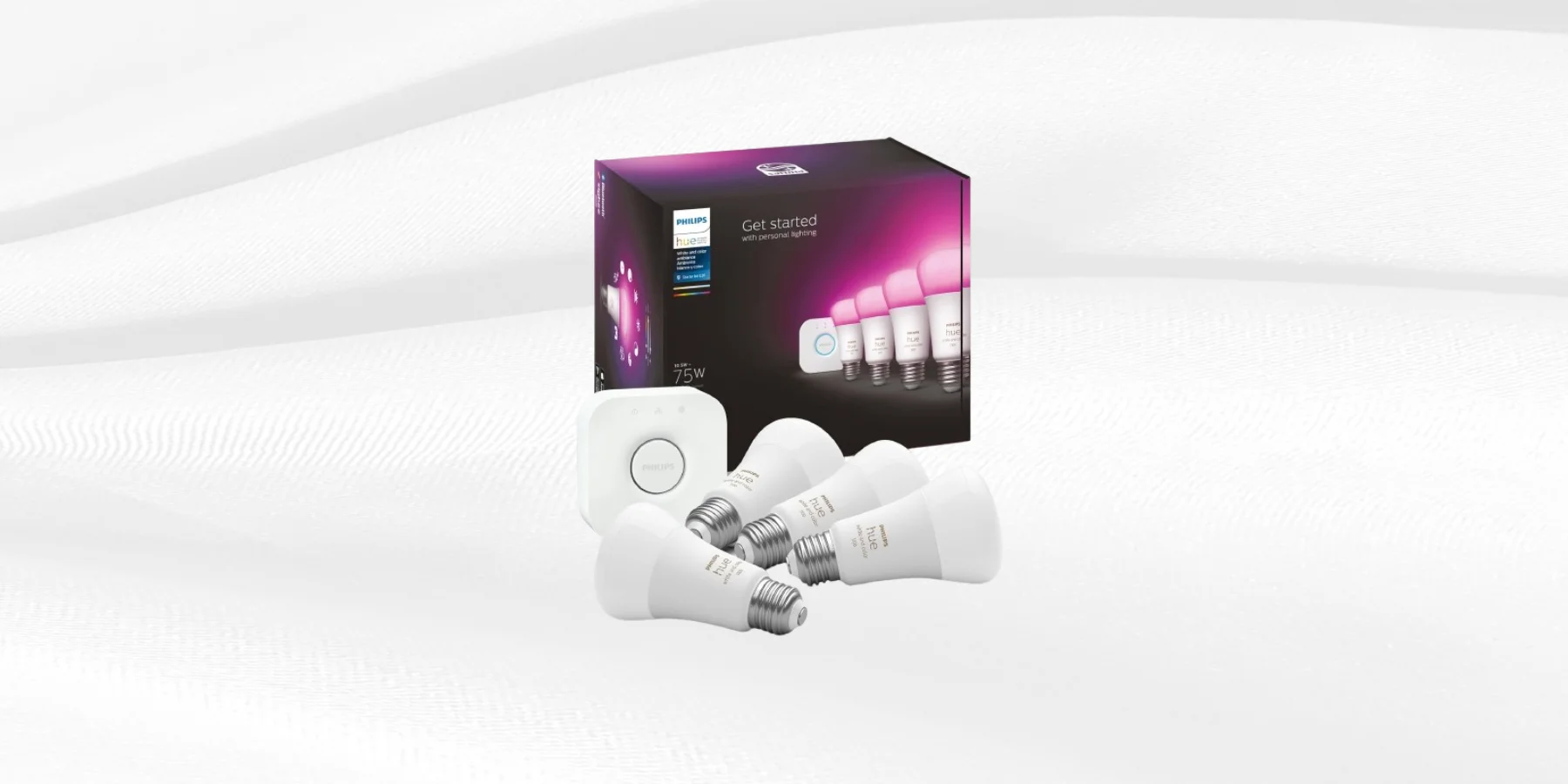 1. Philips Hue White and Color Ambiance Starter Kit: Best Overall
Price: $100 to $180 depending on configuration
The Philips Hue White and Color A19 earns a 9.4 out of 10 consensus score across 18 expert reviews for its unmatched reliability and ecosystem depth.
That number has stayed consistent for years and I have not seen a competing product come close on long-term reliability.
The starter kit includes the Hue Bridge hub plus two or four A19 bulbs depending on which bundle you pick. The Hue Bridge supports up to 50 light points on one hub without touching your WiFi bandwidth at all.
That is the core advantage. Most WiFi bulbs eat a spot on your router's device table. Hue runs on its own Zigbee mesh so your router does not even know those bulbs exist.
Hue justifies its premium when you are managing 10 or more bulbs across multiple rooms, since the Zigbee mesh scales to 50 plus bulbs without the WiFi congestion that plagues direct-WiFi alternatives.
The Philips Hue Starter Kit is the pick for anyone who wants to build a whole-home lighting setup that will still be working and supported five years from now.
Best for: Whole-home setups, Apple HomeKit users, anyone who wants the most reliable long-term smart lighting system available.
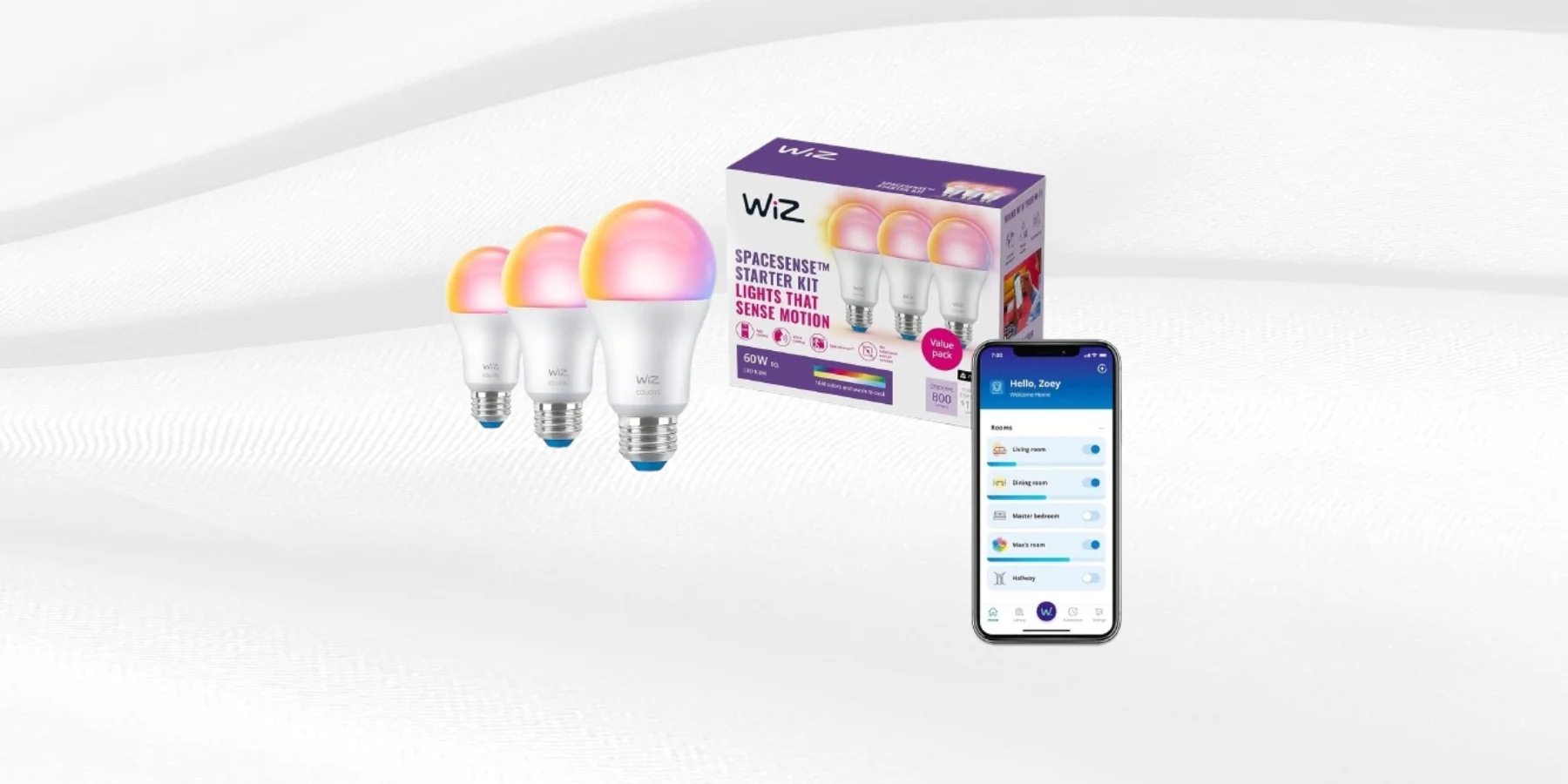 2. WiZ Connected Color Bulb: Best Budget Pick
Price: Around $12 per bulb
WiZ wins on price at $12 versus LIFX's $40, plus WiZ includes 64,000 pre-made scenes versus LIFX's more limited scene library.
I use these in my kitchen and guest room. They dim smoothly, color accuracy is solid, and I have not had a single disconnection in three months.
WiZ supports Alexa, Google Home, and Apple HomeKit without a hub. That is an unusual combination at $12 and it is why Wirecutter picked it as the top budget bulb for two years running.
The app is clean. Setup takes about two minutes per bulb. Scheduling and scene modes all work reliably.
For renters or anyone who wants to test smart lighting before committing to a full Hue setup, this is exactly where to start.
Best for: Budget buyers, renters, beginners who want to try smart lighting without spending much.
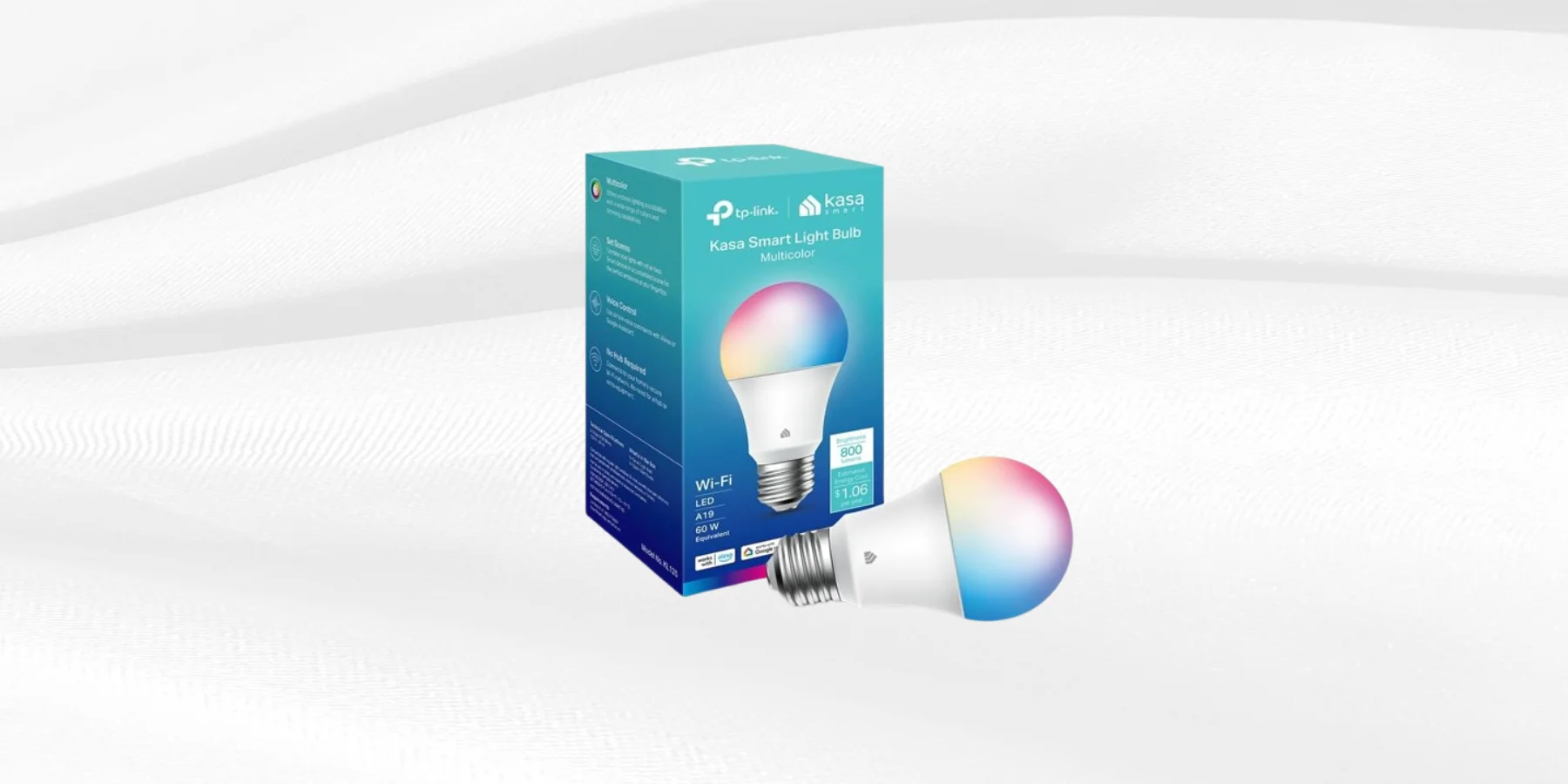 3. Kasa Smart Bulb KL125: Best for Alexa and Google Users
Price: Around $13 to $16 per bulb, cheaper in multi-packs
The Kasa KL125 is the one I recommend when someone tells me they use Alexa or Google and want a reliable color bulb without paying Hue prices.
It offers full color changing, dimming, WiFi connectivity, and works with both Alexa and Google Home with no hub required.
What I like about Kasa bulbs specifically is the ecosystem. If you already have Kasa smart plugs, everything lives in one app and one account. That simplicity adds up when you have six or eight devices running.
The 4-pack price drops it to around $5 to $6 per bulb which is exceptional for a color-capable WiFi bulb from a brand with solid long-term app support.
No HomeKit. 2.4GHz only. Those are the only real limitations and they matter only if you use Apple or have a 5GHz-only network.
Best for: Kasa smart plug users, Alexa and Google households, anyone who wants to standardize on one app for plugs and bulbs.
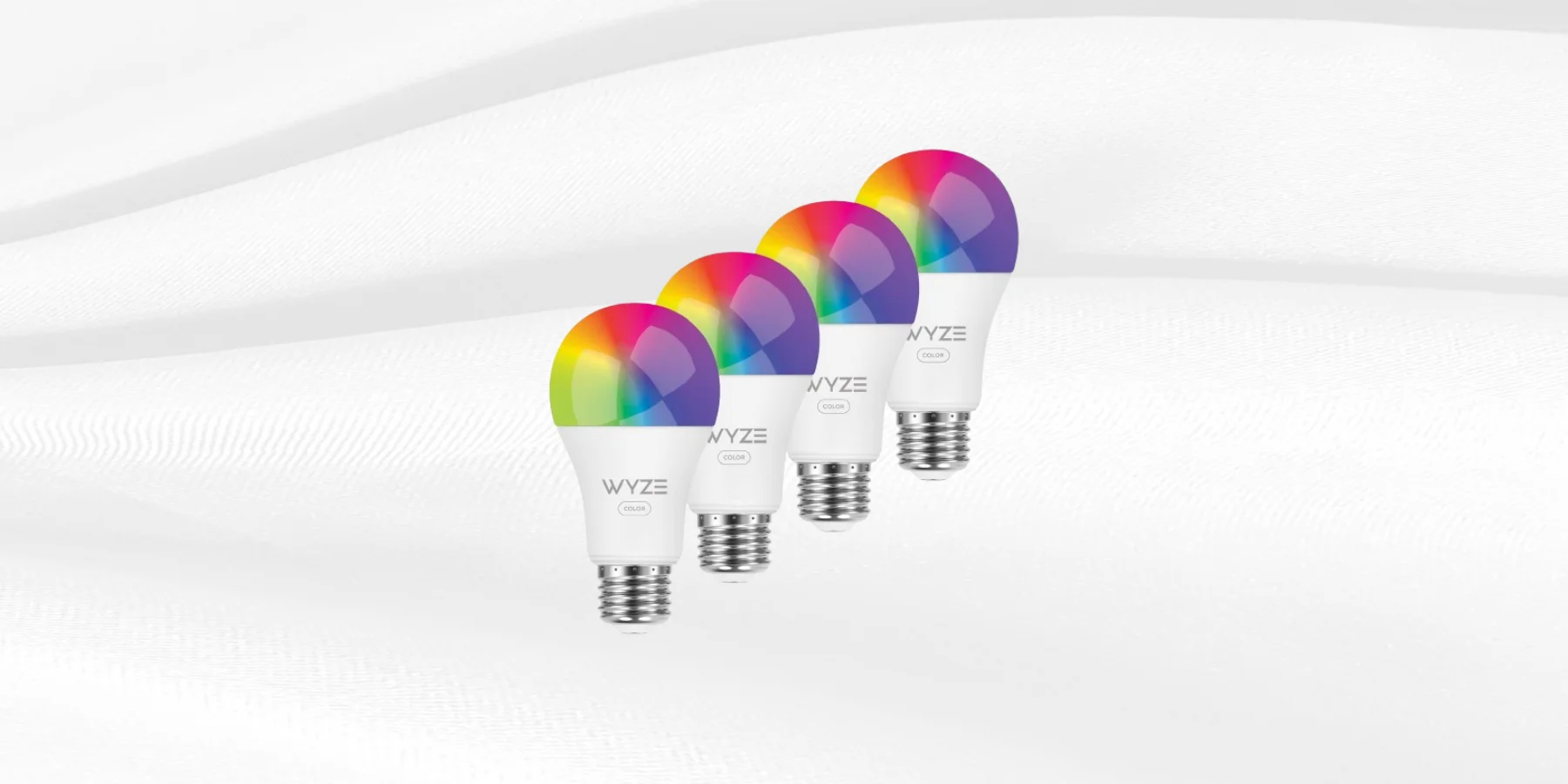 4. Wyze Bulb Color: Best for Brightness on a Budget
Price: Around $10 to $13 per bulb in 2-packs
The Wyze Bulb Color is a fantastic choice for an LED smart bulb if you want big, bold, and bright color for your smart home.
It runs 1100 lumens which is noticeably brighter than most competing budget bulbs at 800 lumens. In a living room or open kitchen where you need real light output alongside color, that gap matters.
Setup through the Wyze app is fast. Alexa and Google both work reliably. Scheduling, scenes, and color temperature adjustments all function without issues.
Where it falls short is the same place most Wyze products fall short. No Apple HomeKit. No Matter support. And if you already have a different smart home ecosystem, adding a separate Wyze app feels unnecessary.
But as a standalone purchase for a room where you want bright, colorful, voice-controlled light at the lowest possible cost, it delivers.
Best for: Rooms that need strong light output, anyone who already uses Wyze cameras or plugs and wants to stay in one ecosystem.
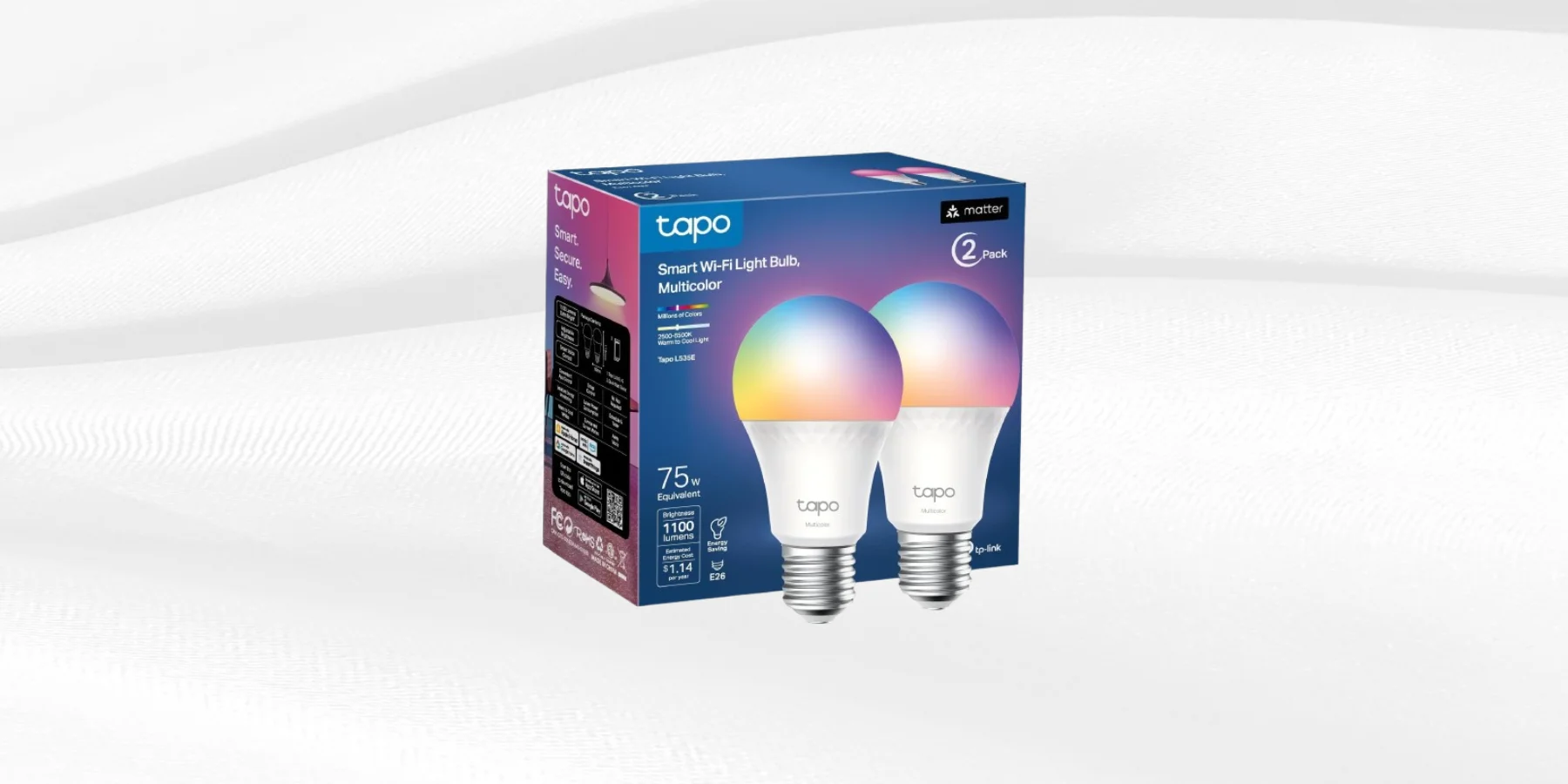 5. TP-Link Tapo L535E 2-Pack: Best Matter Budget Bulb
Price: Around $19.99 for a 2-pack
This is the one most people are not talking about yet but should be.
The Tapo L535E is Matter-certified, hits 16 million colors, and works with Siri, Alexa, and Google Home in a 2-pack for under $20.
Matter certification at this price point is genuinely new. It means these bulbs work natively across all four major platforms without any app workarounds.
If you are building a smart home you want to last and you do not want to get locked into one ecosystem, these are the future-proof budget option in 2026.
Setup is faster than older WiFi bulbs because Matter devices use Bluetooth onboarding. Scan the QR code, it pairs, done.
The Tapo app is less polished than Kasa's but the cross-platform compatibility makes up for it.
Best for: Anyone building a future-proof smart home on a budget, Matter adopters, multi-platform households.
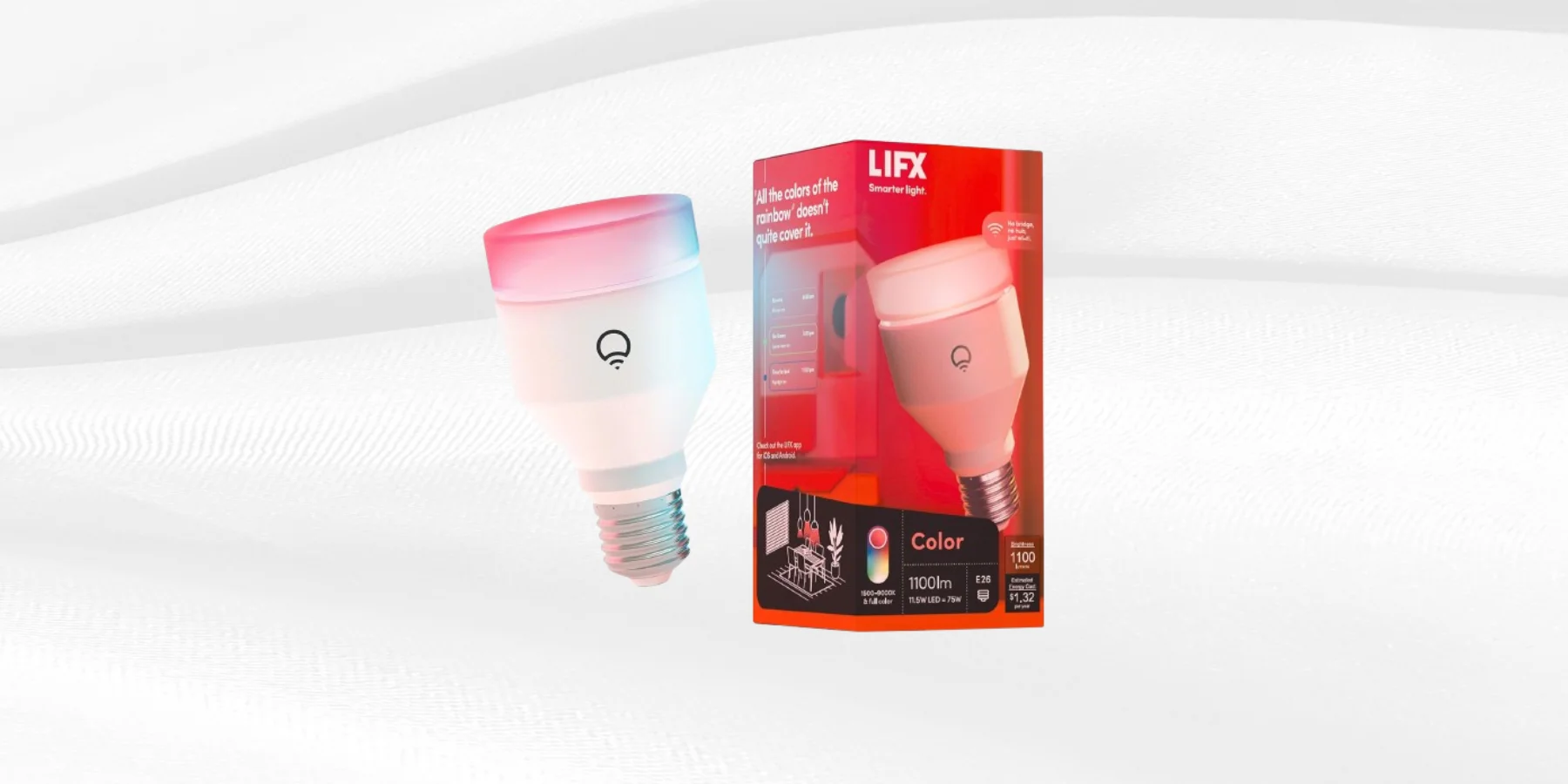 6. LIFX A19 Color: Best for Color Accuracy
Price: Around $35 to $40 per bulb
LIFX is the pick when color quality is the priority and price is less of a concern.
For accent lighting or a statement lamp where color quality matters, LIFX is worth the premium over WiZ.
The colors are richer and more accurate than any WiFi bulb I have tested at a lower price. The reds are genuinely red, the blues are deep, and the whites render cleanly across the full temperature range.
LIFX works without a hub, supports HomeKit natively, and the app is one of the better designed ones in the smart bulb category.
What holds it back is the price. At $35 to $40 per bulb you are spending Hue-level money without Hue's Zigbee mesh reliability and ecosystem depth.
For one or two accent lamps where you want the best possible color, LIFX is the choice. For outfitting a whole house, the cost gets difficult to justify.
Best for: Accent lighting, photography spaces, design-focused rooms where color accuracy genuinely matters.
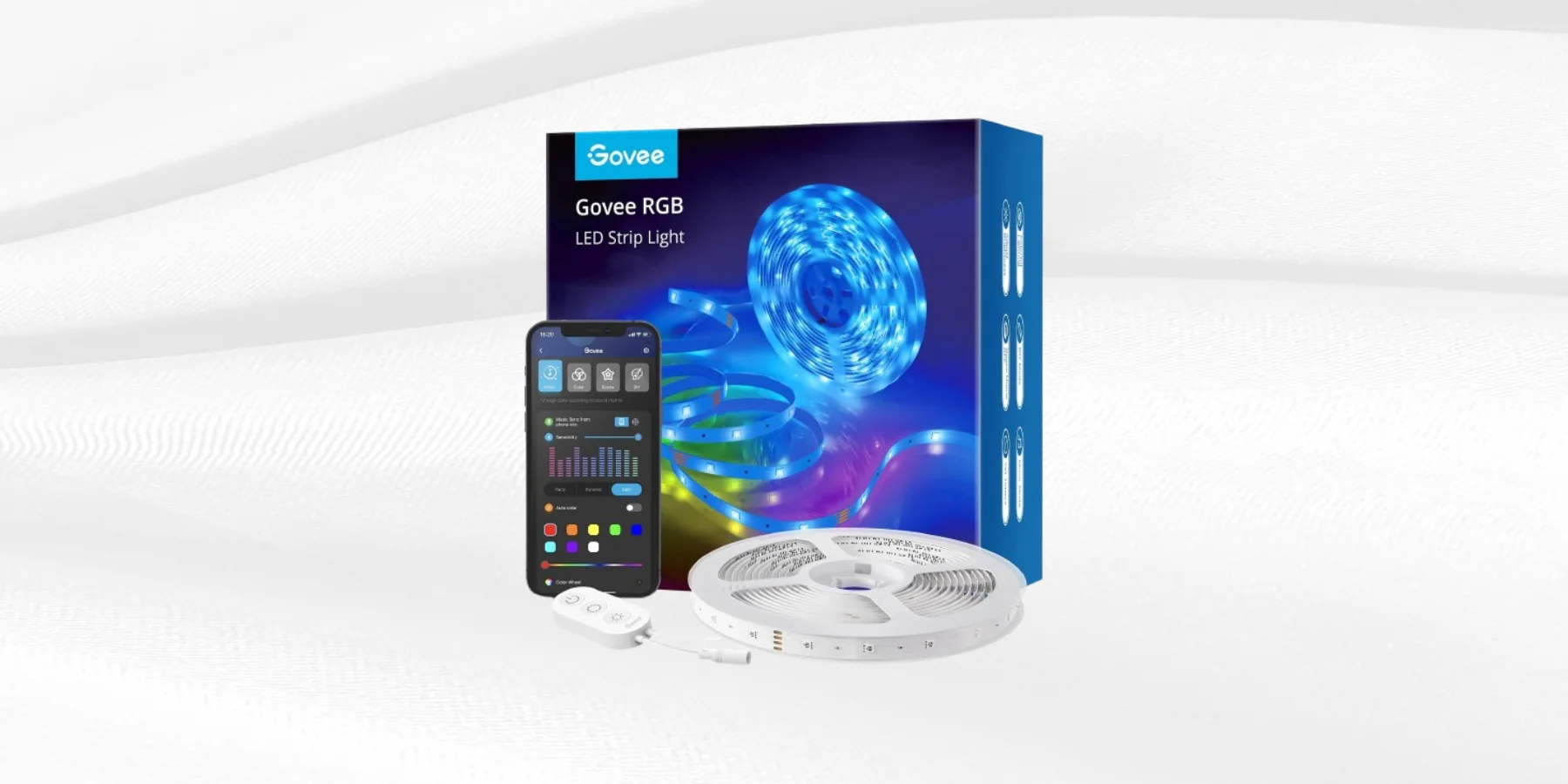 7. Govee Smart LED Strip Lights: Best for Bedroom and Desk Setups
Price: Around $19.99 with coupon on Amazon
We covered these in detail in our Govee Smart LED Strip Lights product listing but they belong on this room-by-room list too.
For bedrooms, gaming setups, and desk lighting, strip lights change how a room feels more dramatically than any single bulb swap.
The 16.4ft kit sticks to any flat surface, connects to your WiFi and Alexa or Google, and has a music sync mode that reacts to audio in real time.
At around $20 with the clipped coupon, the room transformation you get per dollar spent is better than anything else on this list.
Best for: Bedrooms, gaming setups, desk lighting, behind-TV backlighting, anywhere you want ambient light rather than overhead light.
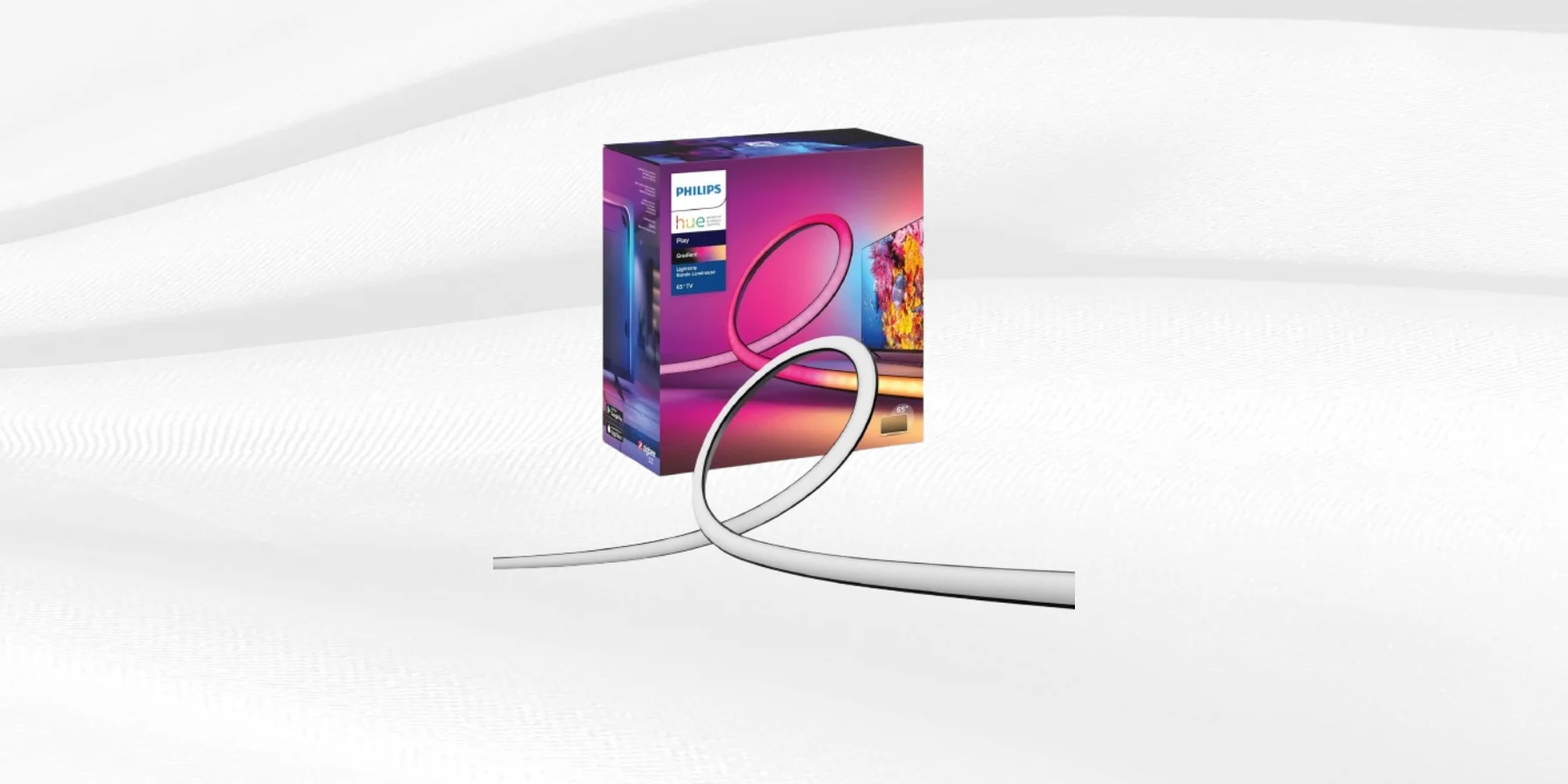 8. Philips Hue Gradient Lightstrip: Best Premium Strip Light
Price: $149.95 for 6ft base kit
The basic 2m Gradient Lightstrip is $259.95, the smaller Play Gradient for PC is $179.97, and the Hue Solo Lightstrip starts at $99 for 3 meters.
The Gradient Lightstrip is the premium answer to the Govee strip. Multiple colors run simultaneously in true gradient flow across the strip, not segment by segment.
It runs on the Hue Bridge Zigbee mesh so it does not add another WiFi device. It syncs with Hue Sync for real-time TV and monitor backlighting. And it uses the same app as all your other Hue bulbs.
The price is hard to defend unless you are already invested in the Hue ecosystem. But if you are, this is the best-looking strip light available at any price right now.
Best for: Philips Hue users who want to extend their setup to strip lighting, TV backlighting, and under-cabinet accent lighting.
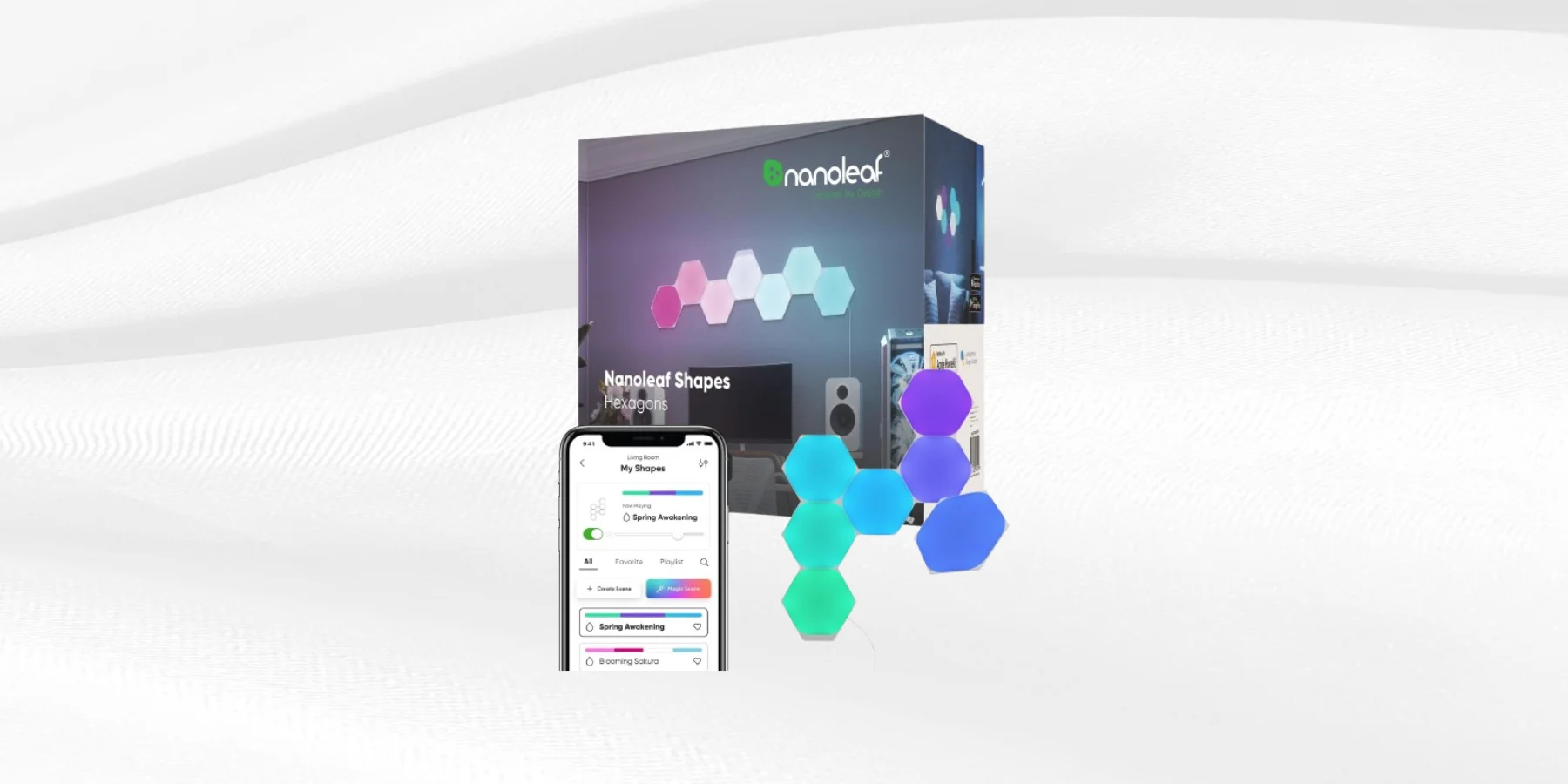 9. Nanoleaf Shapes Hexagons Starter Kit: Best for Wall Art Lighting
Price: Around $79.99 for 9-piece starter kit
Nanoleaf is a different category from every other product on this list.
Nanoleaf Lines are modular backlit smart light bars you connect into custom geometric designs on your wall. They support Thread for instant reliable control, Matter integration, and music sync through a built-in rhythm module.
The Hexagons Starter Kit is the entry point to the Nanoleaf panel range. You arrange the hexagonal panels on your wall, connect them together, and control the whole thing through the Nanoleaf app or voice assistant.
It is the smart light purchase that people notice when they walk into your room. Not ambient background light. A feature.
Works with Alexa, Google Home, Apple HomeKit, and Samsung SmartThings.
At $79.99 it is significantly cheaper than the Lines kit and still makes a strong visual impact.
Best for: Gaming rooms, home offices, anywhere you want your lighting to be a visual statement rather than just functional illumination.
Which One Should You Buy First
Here is the short version.
One or two rooms, budget under $30 total: WiZ bulbs.
All-Alexa or all-Google household, budget under $100: Kasa KL125 multi-pack.
Want future-proof Matter support at low cost: TP-Link Tapo L535E.
Want the best long-term whole-home setup: Philips Hue starter kit.
Want to transform a room visually for under $25: Govee strip lights.
Want a statement lighting piece: Nanoleaf Hexagons.
Browse our smart home devices section for the full category, and use our compare tool to put any two of these side by side before you spend anything.
Final Thoughts
Smart lighting is the easiest upgrade you can make to how a room feels.
Start with one or two WiZ or Kasa bulbs in the room you spend the most time in. Add a Govee strip behind your desk or TV. See what you actually use.
If you want the full whole-home setup with the most reliable hardware and the deepest ecosystem, Philips Hue is worth the investment once you know this is a direction you want to go.
The gap between spending $15 and spending $150 on smart lights is real. But so is the gap between spending $0 and spending $15.
Start small. You will know what you want after a week.
FAQs
Do smart bulbs work without a hub in 2026?
Most do. WiFi-based bulbs from Kasa, Wyze, WiZ, and LIFX connect directly to your router. Only Philips Hue requires a hub for full features, though the hub is included in starter kits.
What is the cheapest smart bulb worth buying in 2026?
The WiZ Connected Color Bulb at around $12 is the best value smart bulb available. It supports Alexa, Google, and HomeKit with no hub required.
Can I mix different smart light brands in one home?
Yes. Most smart bulbs work with Alexa or Google Home, so you can control different brands from one voice assistant. Running multiple apps is less convenient but works fine.
Do smart bulbs work with regular light switches?
Yes, but the switch needs to stay on. Turning off the wall switch cuts power and the bulb loses its smart features. Smart switches are the solution if this is a concern.
Which smart lights work with Apple HomeKit without a hub?
WiZ, LIFX, and TP-Link Tapo L535E all support HomeKit natively without a hub. Philips Hue supports HomeKit but requires the Hue Bridge.