

Disclaimer: This article is published strictly for educational and cybersecurity awareness purposes on a technology and gadgets platform. We do not promote, endorse, or link to any data leak repositories or illegal content. The purpose is to help gadget users understand how large-scale data exposures affect device security and what protective steps to take.
Why This Topic Matters to Every Gadget Owner
If you own a smartphone, smart speaker, fitness tracker, or any internet-connected device, your login credentials are almost certainly stored somewhere in the cloud. And when a data aggregation leak — like the one associated with thejavasea.me leaks AIO-416 — surfaces in the cybersecurity space, it directly affects how safe your gadgets and connected accounts truly are.
This isn't a story about hackers in hoodies. It's a story about your Wi-Fi router's admin panel, your smart TV's linked Google account, and why your smartwatch's connected email might be sitting in a leaked credential list right now.
What Is the AIO-416 Data Leak?
AIO-416 refers to an "All-In-One" compiled credential dataset that allegedly originated from the domain thejavasea.me — a site flagged by cybersecurity researchers for aggregating and distributing stolen or scraped user data in bulk.
In simple terms: AIO (All-In-One) leaks are massive collections of usernames, passwords, and email addresses gathered from multiple previously breached sources, combined into one searchable file. The "416" designation typically refers to the version, batch number, or data volume classification.
These compiled leaks aren't single hacks. They're libraries of credentials harvested from hundreds of past breaches, repackaged and made searchable for malicious use — or unfortunately, for general circulation.
Quick Definition (40–60 words): The thejavasea.me leaks AIO-416 leak refers to a compiled database of aggregated credential data — emails, usernames, and passwords — sourced from multiple prior data breaches. AIO stands for All-In-One, meaning multiple breaches are merged into one file. These datasets are studied by cybersecurity researchers to assess exposure risk for users and devices.
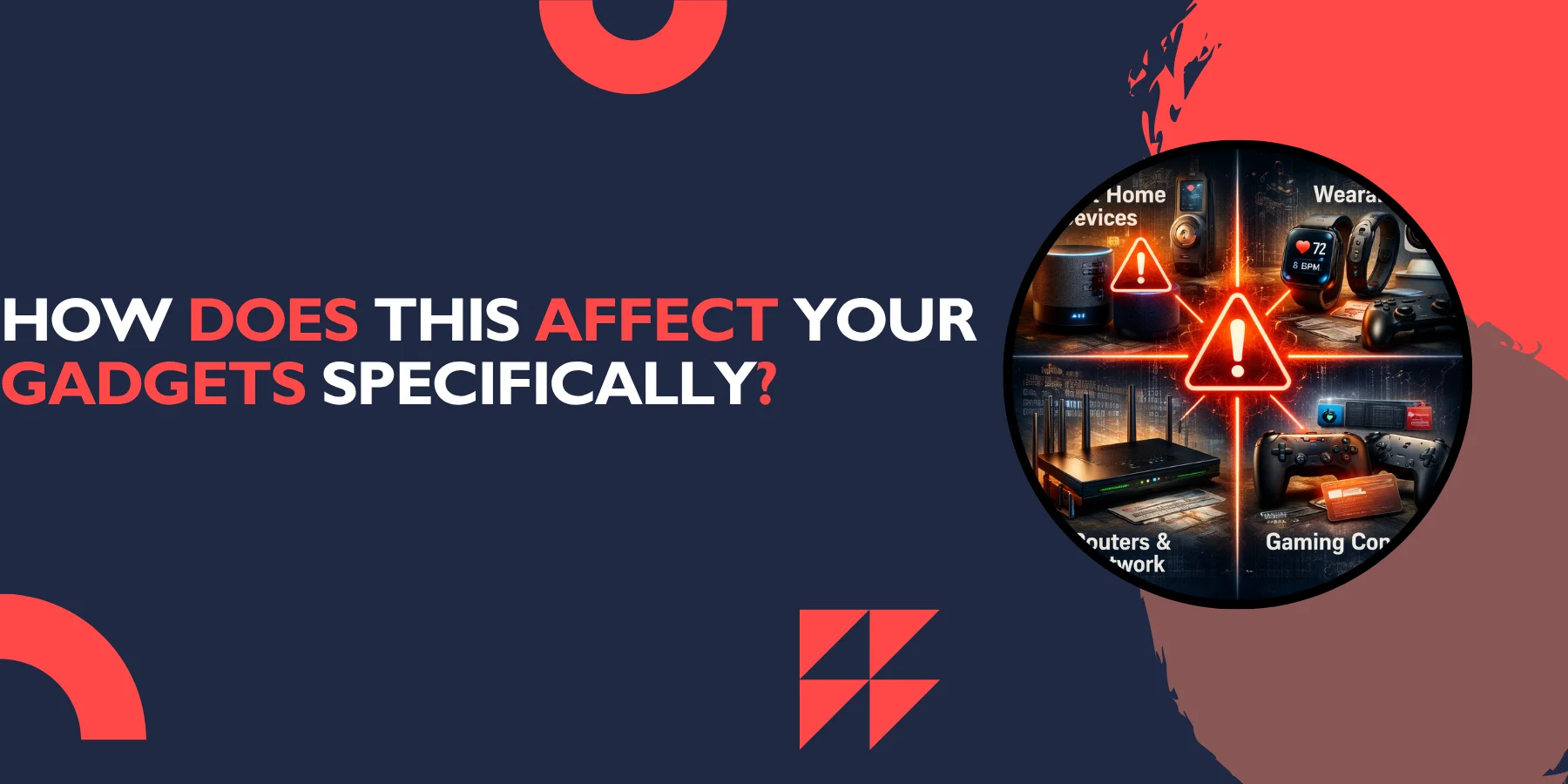
How Does This Affect Your Gadgets Specifically?
Here's the connection most tech articles miss: your gadgets are only as secure as the accounts tied to them.
Smart Home Devices Your Amazon Echo, Google Nest, or smart lock is controlled through an app account. If that email and password combination appears in a compiled leak, someone could potentially access your device remotely — changing settings, unlocking doors, or intercepting voice data.
Wearables and Fitness Trackers Fitbit, Garmin, and Apple Watch accounts store health data, location history, and payment info. Compromised credentials tied to these accounts expose far more than just your step count.
Routers and Network Equipment Many users set up their home router with the same email and password they use everywhere. If that combination leaks through an AIO dataset, attackers can attempt to log into router admin panels and intercept all traffic flowing through your network.
Gaming Consoles PlayStation Network, Xbox Live, and Nintendo accounts are prime targets. These accounts hold saved payment methods, which is why gaming platform credentials frequently appear in AIO-type datasets.
Wearables and Fitness Trackers Fitbit, Garmin, and Apple Watch accounts store health data, location history, and payment info. Compromised credentials tied to these accounts expose far more than just your step count.
 Also Read: Thejavasea.me Leaks AIO-TLP371: Risks and How to Protect Yourself
What Happens After a Credential Leak?
Imagine this: a user signed up for a budget tech forum in 2019 with their Gmail address and a reused password. That forum got breached in 2021. Their credentials were scraped and later merged into an AIO compilation like the one discussed here.
Fast forward to today — an attacker runs those credentials against the user's smart home app. It works. Within minutes, the attacker has access to the user's smart camera feed, thermostat schedule, and connected speaker.
This is called credential stuffing — it's automated, fast, and extremely common. According to cybersecurity researchers, AIO datasets are a primary fuel source for credential stuffing attacks against IoT and smart device platforms.
Comparison: AIO Leak vs. Single-Source Breach
Feature | Single-Source Breach | AIO Compiled Leak (e.g. AIO-416) |
|---|---|---|
Data origin | One platform or service | Hundreds of combined sources |
Volume | Thousands to millions | Tens to hundreds of millions |
Freshness | New/specific | Mixed (old and recent data) |
Risk level | Moderate | High (wider exposure) |
Gadget risk | Low-medium | High (credential stuffing risk) |
Detection difficulty | Easier to isolate | Harder — source unclear |
Common Mistakes
1. Assuming it won't affect them Many users think, "I wasn't on that site." But AIO leaks pull from hundreds of different breaches. If you've had an account anywhere online since 2015, there's a real chance your data appeared in some upstream breach that fed into this kind of compilation.
2. Changing only one password If you reuse passwords — and most people do — changing just one account is ineffective. Every service using that same password needs updating.
3. Ignoring connected gadgets People rush to secure their email or social media but forget about the Philips Hue app, their Ring account, or their CCTV system login. These gadget-linked accounts are often the weakest link.
4. Not enabling two-factor authentication (2FA) on device accounts Even if your password is in a leaked database, 2FA on the associated account makes credential stuffing attacks dramatically harder.
Also Read: Thejavasea.me Leaks AIO-TLP370:Why It Is Dangerous and How to Stay Protected
Expert Tips
Use a password manager. Tools like Bitwarden or 1Password generate unique, strong passwords for every gadget and service account.
Check your email on HaveIBeenPwned.com — a free, legitimate tool run by cybersecurity expert Troy Hunt that checks whether your email has appeared in known data breaches.
Audit your smart device app accounts. Go through your phone and list every smart gadget app. Check whether each one uses a unique password.
Enable 2FA everywhere. Especially on smart home hubs, gaming accounts, and anything with payment details.
Update router firmware. Old router firmware is a known vulnerability. Leaked credentials combined with unpatched router software is a dangerous combination.
Segment your smart home network. Put IoT devices on a separate Wi-Fi network (a guest network works) so that if one device account is compromised, your main devices aren't exposed.
What Cybersecurity Researchers Say About AIO Datasets
Security professionals study AIO-type compilations not to exploit them, but to understand the scale of exposure and develop better defensive tools. Many breach notification services, enterprise security platforms, and identity protection tools use sanitised versions of this data to tell users and companies when their credentials have appeared publicly.
The key insight from researchers is this: the danger of compiled leaks isn't just the data itself — it's the combination of data. A username from one breach matched with a password from another, all in one searchable file, dramatically increases attack efficiency.
For gadget users and tech enthusiasts, this makes understanding these leaks genuinely useful knowledge — not just for personal safety, but for making informed choices about which devices to trust with sensitive account access.
FAQs
What exactly is thejavasea.me in the context of cybersecurity?
TheJavaSea.me is a domain flagged by researchers for hosting or distributing aggregated data compilations. It's studied within the cybersecurity community as a source associated with leaked credential datasets.
Does AIO-416 mean my specific account was hacked?
Not necessarily. AIO datasets are compiled from many old breaches. Your data appearing in one means it was exposed at some point — not that someone actively targeted you right now.
How does an AIO leak put my smart gadgets at risk?
If credentials tied to your gadget accounts appear in a compiled leak, attackers use automated tools to try those credentials across smart home apps, gaming platforms, and IoT dashboards — a process called credential stuffing.
Is it illegal to research or report on these leaks?
Cybersecurity research, awareness writing, and breach reporting are legal and essential practices. Accessing, distributing, or exploiting such data maliciously is illegal under computer crime laws in most countries.
What's the single most effective step a gadget user can take right now?
Enable two-factor authentication on every account linked to your gadgets. Even if a password is compromised, 2FA blocks the vast majority of automated credential stuffing attempts.
Takeaway
The thejavasea.me leaks AIO-416 dataset is a real cybersecurity concern — not a distant tech industry problem. For anyone who owns smart gadgets, connected home devices, or gaming hardware, understanding how compiled credential leaks work is the first step toward protecting the devices you use every day.
Your gadgets are only as secure as the accounts that control them. Take five minutes today to check for breached credentials and enable 2FA on your smart device accounts. That single action closes the door that compiled datasets like this one are designed to push open.