

Personal data leaks have become one of the most talked about digital threats of recent years.
You do not need to make a mistake to end up affected. Your email address, your password, your phone number, or your personal details can appear in a leaked dataset simply because a platform you used was not secure.
thejavasea.me leaks aio-tlp371 is one such incident that has caught attention in online privacy communities.
It refers to a compiled collection of data that was reportedly exposed and made accessible without the permission of those whose information it contained.
This article explains what thejavasea.me leaks aio-tlp371 means, what kind of data is typically involved, what the real risks are, and most importantly what you can do right now to protect yourself.
A practical gadget recommendation is included too, because awareness without action does not actually keep you safe.
What Is thejavasea.me Leaks AIO-TLP371?
thejavasea.me leaks aio-tlp371 is a term tied to a reported data exposure event on thejavasea.me.
The site has been associated with the circulation of leaked and compiled data packages that pull together personal information from various sources.
AIO in the name stands for All In One. This means the package is not from a single breach. It is a compiled collection built from multiple sources, merged into one large dataset.
TLP371 is the specific identifier for this package. TLP stands for Traffic Light Protocol, a classification system used in cybersecurity to define how sensitive information should be handled and distributed.
When data carrying a TLP classification ends up publicly exposed, it means restricted information has moved beyond the boundaries it was supposed to stay within.
thejavasea.me leaks aio-tlp371 follows this exact pattern. A package of compiled personal data, meant to be restricted, reportedly became accessible to people who were never supposed to see it.
How Is AIO-TLP371 Different From AIO-TLP370?
Many readers may have come across the earlier incident labeled AIO-TLP370. It is a fair question to ask what the difference is.
Each TLP number represents a separate package or release within the same broader leak series.
AIO-TLP370 and thejavasea.me leaks aio-tlp371 are sequential packages. Think of them as volumes in a series rather than two completely separate incidents.
Each package in the series may contain different sets of data, different source breaches compiled together, or updated and expanded versions of previously leaked information.
The existence of a numbered sequence like this indicates an ongoing pattern of data exposure rather than a single isolated event. This is what makes thejavasea.me leaks aio-tlp371 particularly worth paying attention to.
If your data was not part of TLP370, it does not mean you are automatically safe from TLP371 or subsequent packages in the same series.
What Kind of Data Is Inside AIO Leak Packages?
Understanding what is typically inside packages like thejavasea.me leaks aio-tlp371 makes the risk feel more concrete and real.
AIO packages are not simple single-source files. They are aggregated collections built by pulling data from multiple different breaches and combining them.
Common data types found in these packages include email addresses paired with passwords, usernames from social media and other platforms, phone numbers, IP addresses, and in more serious cases home addresses and financial account information.
The truly dangerous aspect of an AIO package is the combination effect.
One breach might expose your email. Another might expose your password from a different platform. When merged into a single package like thejavasea.me leaks aio-tlp371, those two pieces of information now appear together.
That combination makes it far easier for someone to attempt unauthorised access to your accounts across multiple platforms simultaneously.
Risks That Come With This Leak
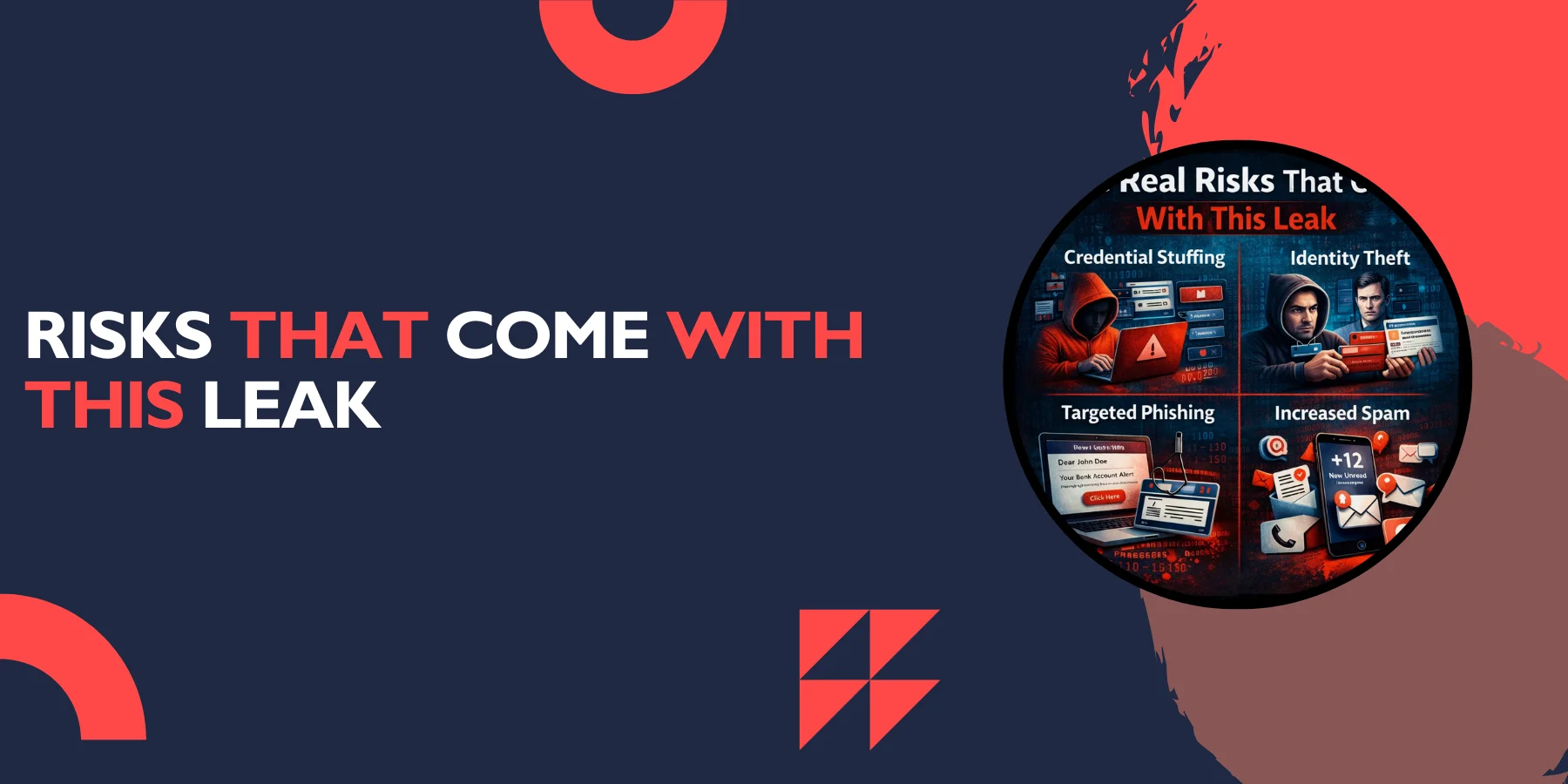 Knowing a leak exists is one thing. Understanding what can happen as a direct result is what motivates people to take protective action.
Credential stuffing is the most immediate threat. This is when leaked email and password combinations are fed into automated tools that try them across hundreds of popular websites and apps at speed.
If you use the same password on multiple platforms, one leaked credential can unlock several of your accounts without anyone manually trying each one.
Identity theft is a longer-term risk. With enough personal details from a package like thejavasea.me leaks aio-tlp371, someone could potentially impersonate you to access financial services or apply for credit in your name.
Targeted phishing becomes far more convincing when attackers hold real data about you. Instead of a generic scam message, you receive one that uses your actual name, references platforms you genuinely use, and appears entirely legitimate.
Increased spam is the most common low-level consequence most people notice first. A phone number or email address appearing in a leaked dataset almost always results in a noticeable rise in unsolicited calls, texts, and emails shortly after.
Also Read: TheJavaSea.me Leaks AIO-416: What Gadget Users Must Know About Data Security
How to Check If Your Data Was Exposed
Before taking protective steps, it is worth knowing whether your information was actually part of this or any related breach.
The most reliable free tool for this check is Have I Been Pwned, found at haveibeenpwned.com.
You enter your email address and the platform checks it against a large and continuously updated database of known breaches. If your email appears, it shows exactly which breaches it was found in.
The service is run by a well-respected independent cybersecurity researcher and is widely trusted across the privacy community.
It does not store your search query or use your email for any other purpose. The check takes under thirty seconds.
If your email shows up in connection with thejavasea.me leaks aio-tlp371 or any breach in the same series, treat that as a clear signal to take immediate action on your account security.
Immediate Steps
If you believe your data may be part of thejavasea.me leaks aio-tlp371, these are the most important steps to take without delay.
Change your passwords immediately. Start with your most critical accounts — email, banking, and social media. Use a strong, unique password for each one rather than recycling the same password across platforms.
Enable two-factor authentication on every account that supports it. Even if your password is in a leaked package, two-factor authentication blocks access without the second verification step.
Monitor your bank statements and card transactions closely. Report anything unfamiliar to your bank as soon as you notice it.
Stay alert to emails and messages that arrive in the weeks following a known breach. Phishing attempts typically increase after large data exposures because attackers know recipients are more likely to be affected.
Never click links in emails even if they appear to come from familiar platforms. Go directly to the website by typing the address into your browser instead.
Gadget That Actively Protects You
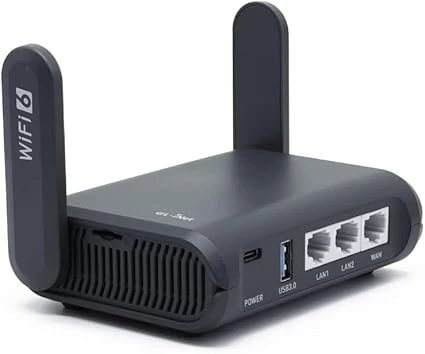 Since this is a gadget-focused website, this recommendation is particularly relevant to you.
The most practical hardware tool for protecting your digital privacy is a VPN router.
A VPN router is a physical device you connect to your home internet setup. Unlike a VPN app installed on a single device, a VPN router protects every gadget connected to your home network at the same time.
Your smartphone, laptop, tablet, smart TV, and every other connected device all benefit automatically without needing individual app setups or separate subscriptions managed on each device.
The GL.iNet GL-AXT1800 is one of the most well-regarded consumer VPN routers available right now. It is compact, runs open-source firmware, supports multiple VPN protocols, and is straightforward to configure even without a technical background.
Here is why it connects directly to thejavasea.me leaks aio-tlp371 specifically.
When your internet traffic is encrypted through a VPN router, your real IP address is masked. Even if some of your data exists in a leaked package, your actual location and browsing activity remain hidden from anyone attempting to use that data to target you further.
It protects every device in your home from a single setup point. One device. One configuration. Every gadget covered.
For anyone who takes their personal privacy seriously after reading about incidents like thejavasea.me leaks aio-tlp371, a VPN router is the most practical and underrated hardware investment available right now.
Also Read: Thejavasea.me Leaks AIO-TLP370:Why It Is Dangerous and How to Stay Protected
Additional Privacy Habits
Beyond a VPN router, a few simple habits significantly reduce your ongoing exposure to leaks like thejavasea.me leaks aio-tlp371.
Use a password manager. Tools like Bitwarden are free, open source, and allow you to generate and store unique strong passwords for every account. You remember one master password. The tool handles the rest.
Use an email alias service like SimpleLogin when signing up for new platforms. Your real email address is never directly exposed. If an aliased service gets breached, you simply delete the alias without your main email being affected.
Review which apps and services have access to your accounts regularly. Remove permissions for platforms you no longer use. Old connected apps are a common overlooked vulnerability.
Be selective about what information you share when registering for new services. The less real personal data you provide, the less you have at risk when a breach occurs.
These habits combined with a VPN router create a genuinely strong personal privacy setup that most people never think to build until something goes wrong.
Why These Leaks Keep Happening
It is worth briefly understanding why incidents like thejavasea.me leaks aio-tlp371 continue to occur.
Many platforms still store user passwords without adequate encryption. When those platforms are breached, the credentials are immediately usable.
Password reuse remains extremely common among everyday users. A single breach of a low-security website unlocks accounts on far more important platforms when the same password is used across both.
Data brokerage operates at enormous scale in many parts of the world with limited regulation. Personal information is compiled, traded, and leaked constantly from these operations.
Smaller platforms frequently treat security as an afterthought. They collect user data without the infrastructure needed to protect it adequately.
Understanding these causes helps you make better decisions about which platforms you share your real information with and how much detail you provide when creating new accounts.
Frequently Asked Questions
What is thejavasea.me leaks aio-tlp371?
It is a reported data exposure incident connected to thejavasea.me where a compiled package of personal data labeled AIO-TLP371 was reportedly made accessible without authorisation, raising serious concerns in digital privacy communities.
How is AIO-TLP371 different from AIO-TLP370?
They are sequential packages in the same leak series, each containing different or expanded sets of compiled data from multiple breach sources rather than being two completely separate and unrelated incidents.
What data is typically included in packages like thejavasea.me leaks aio-tlp371?
These packages commonly include email addresses paired with passwords, usernames, phone numbers, IP addresses, and in more serious cases home addresses and financial account details compiled from multiple breach sources.
What gadget helps protect against risks from thejavasea.me leaks aio-tlp371?
A VPN router like the GL.iNet GL-AXT1800 encrypts all internet traffic across every device on your home network simultaneously, masking your real IP address and making it significantly harder for anyone to use leaked data to target you further.
Should I change my passwords after hearing about thejavasea.me leaks aio-tlp371?
Yes, particularly if your email appears in any known breach on haveibeenpwned.com. Change passwords on critical accounts first, use unique passwords for each platform, and enable two-factor authentication wherever it is available.
Final Thoughts
Data leaks are not slowing down. Incidents like thejavasea.me leaks aio-tlp371 are part of a pattern that shows no sign of stopping as more personal information moves online and as compiled AIO packages make it easier to weaponise data from multiple breaches at once.
The practical response is not panic. It is preparation.
Checking your exposure, changing compromised passwords, enabling two-factor authentication, and investing in a VPN router covers the vast majority of risk for most ordinary users without requiring expert knowledge or significant expense.
The steps outlined in this article are genuinely achievable for anyone. Start with the breach check. Move through the security steps. Consider the VPN router as a long-term privacy investment.
thejavasea.me leaks aio-tlp371 is a reminder that personal data protection is not optional anymore. It is a basic part of living and working online safely in 2026.